




1,147 mosques, dargahs in Ahmedabad under Waqf, but 85% of the properties lack management
Updated: Apr 24th, 2025


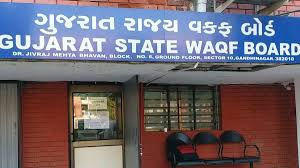
Amid the ongoing tension in the country over the Waqf Bill, 2025, Waqf properties in Gujarat are in a dilapidated state due to mismanagement and lack of proper governance, as per a report.
There are a total of 1,147 mosques and dargahs in Ahmedabad, out of which 85% of the properties have no proper management, the report states. As a result, the income generated from these properties is not reaching the Waqf board but is being pocketed by influential individuals.
In Ahmedabad, there are 135 Waqf properties in the Cantonment area and 13,574 under the AMC, totalling 13,704 Waqf properties. The Cantonment area includes parts of the original walled city of Ahmedabad such as Dariapur, Shahibaug, and Raipur Darwaza. The rest fall under the AMC’s limits.
Out of the 135 properties in the Cantonment area, 97 have a management committee, 11 have appointed mutawallis (custodians), and only 27 properties lack any management. In contrast, of the 13,574 Waqf properties under the AMC, only 97 have mutawallis, 7 have administrators, and 1,971 have management committees. The remaining 11,499 properties officially have no management system at all.
Ahmedabad home to 30% of Gujarat’s Waqf properties
The entire system is allegedly manipulated by a nexus of government officials and self-proclaimed community leaders, while the general public remains indifferent and no one questions or investigates the matter.
Notably, out of the total 45,358 Waqf properties in Gujarat, about 30% (13,537) are in Ahmedabad alone. Among these, 11,499 (approximately 85%) have no official management system in place. So, these properties neither generate income nor are utilised for the welfare of the people.
A total of 705 mosques and 429 dargahs, mazars, or tombs are within the jurisdiction of Amdavad Municipal Corporation (AMC) while the Ahmedabad Cantonment area has 9 mosques and 4 dargahs, mazars, or tombs.
In total, Ahmedabad has 714 mosques and 433 dargahs, mazars, or tombs. Most of these properties are under the control of anti-social elements or influential members of the Muslim community.
These individuals often collect rent or other income from the properties but fail to deposit it with the Waqf board. Although there is a State Waqf Board in Gujarat to oversee waqf properties, it reportedly fails to take effective action.
According to data from the Waqf Assets Management System of India (WAMSI) — a platform managed by the Ministry of Minority Affairs, Government of India — Gujarat has a total of 45,358 Waqf properties. Of these, 39,940 are immovable properties and 5,480 are movable assets.
Also read:
