




IOC limits women’s category to biological females, introduces SRY gene test
Updated: Mar 27th, 2026


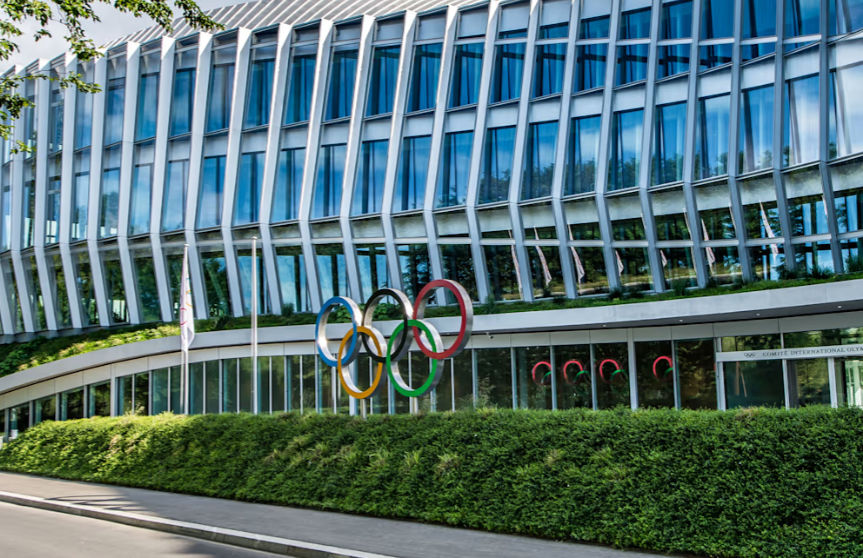
The International Olympic Committee (IOC) has announced a new policy restricting eligibility for women’s events at the Olympic Games to biological females, introducing genetic screening as part of the process.
Under the new guidelines, eligibility for the female category across all Olympic sports — including individual and team events — will be determined primarily through testing for the presence of the SRY gene, a genetic marker associated with male sex development.
Key highlights of the policy
Women’s category limited to biological females
Mandatory SRY gene screening to determine eligibility
Testing to be conducted once in a lifetime in most cases
Applies to all Olympic sports and disciplines
The IOC stated that the presence of the SRY gene is considered strong scientific evidence of male biological development and remains unchanged throughout life. The screening process can be conducted through saliva, cheek swabs, or blood samples and is described as minimally invasive.
Athletes who test negative for the SRY gene will be eligible to compete in the female category permanently. However, those who test positive — including transgender women and certain athletes with differences in sex development (DSDs) — will not be allowed to compete in women’s events.
An exception has been made for athletes with rare conditions such as Complete Androgen Insensitivity Syndrome (CAIS), where individuals do not benefit from testosterone-related performance advantages.
IOC President Kirsty Coventry said the decision was based on scientific evidence and aimed at ensuring fairness in competition.
She emphasized that even marginal differences can impact outcomes at elite levels, adding that allowing biological males in women’s categories could raise both fairness and safety concerns in certain sports.
Coventry also stressed that all athletes must be treated with dignity and respect, with proper counselling, education, and medical support provided throughout the screening process.
The policy follows recommendations from an IOC working group that reviewed scientific data and global developments, including human rights considerations. The group concluded that biological sex can offer significant performance advantages in sports involving strength, speed, and endurance.
The IOC said the move is intended to preserve equal opportunities for female athletes, enhance fairness in competition, and maintain the integrity of women’s sport at the Olympic level.
