





World nears irreversible coral reef tipping point, scientists warn
Updated: Oct 14th, 2025


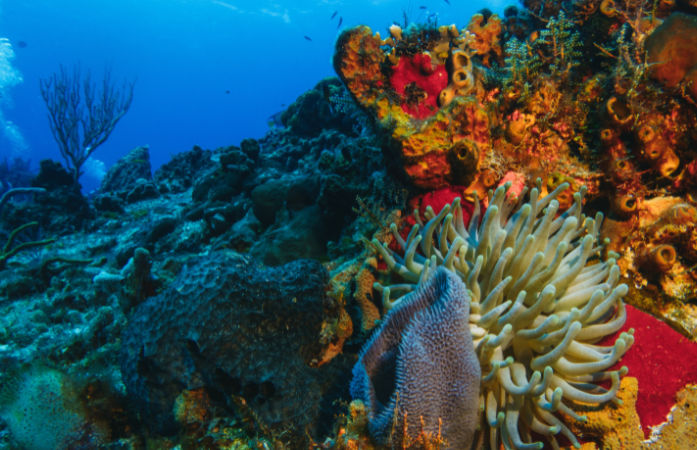
The planet is facing a new reality as it approaches the first in a series of catastrophic and potentially irreversible climate tipping points – the mass die-off of coral reefs – according to a new global study.
The research ‘Warm-water coral reefs’, compiled by more than 160 scientists and published in Global tipping points, warns that the world is rapidly nearing multiple Earth system tipping points. The Intergovernmental Panel on Climate Change (IPCC) defines these tipping points as “critical thresholds in a system that, when exceeded, can lead to significant and often irreversible changes.”
Warm-water coral reefs, which support the wellbeing of nearly a billion people and sustain around a million species, are now under unprecedented threat. Scientists report that repeated mass bleaching events are causing widespread coral mortality worldwide, driven largely by global warming combined with other human-induced stressors such as pollution and overfishing.
According to the study, the thermal tipping point for warm-water coral reefs estimated at around 1.2°C above pre-industrial levels has already been surpassed. Without drastic emissions cuts, the upper limit of 1.5°C could be reached within the next decade, pushing most coral ecosystems beyond recovery and jeopardising the livelihoods of millions who depend on them.
Even under the most optimistic scenarios stabilising global warming at 1.5°C without overshoot the researchers conclude that coral reefs are virtually certain (>99% probability) to cross their survival threshold. This means the Paris Agreement’s target of limiting warming to below 2°C or ideally 1.5°C would still be insufficient to prevent irreversible damage to coral reef systems.
The report stresses that reversing global temperature rise to below 1.2°C, and ideally close to 1°C above pre-industrial levels, is essential to preserve coral reefs at any meaningful scale. Beyond that, only small, isolated refuge areas may survive.
Experts say that while large-scale reef recovery may no longer be possible without deep emissions cuts, reducing local stressors through better reef management, curbing pollution, and limiting overfishing could improve resilience and slow decline.
The authors call for urgent risk assessments and policy interventions to prepare for the ecological and socio-economic fallout of declining reef systems, warning that the loss of coral reefs will not only devastate marine biodiversity but also endanger food security, tourism, and coastal protection for millions of people worldwide.