




US bans approval of foreign-made routers over security risks
Updated: Mar 24th, 2026


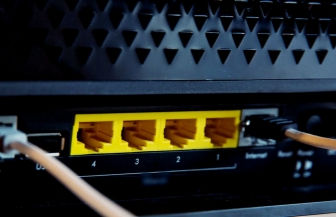
The Federal Communications Commission (FCC) has added all foreign-made consumer-grade routers to its covered list, effectively barring approval of new models in the United States over national security concerns.
The decision, announced on March 23, follows a determination by US national security agencies that such devices pose “unacceptable risks” to both critical infrastructure and public safety.
Why the ban?
According to the Executive Branch assessment, foreign-produced routers could:
Create supply chain vulnerabilities affecting the US economy and defense systems
Enable cyberattacks and espionage
Disrupt critical infrastructure networks
Officials also cited past cyber incidents — including Volt, Flax, and Salt Typhoon attacks — where security gaps in foreign-made devices were allegedly exploited.
New router models from foreign manufacturers will not receive FCC authorisation, effectively blocking their entry into the US market
Existing approved models can still be sold and used
Consumers do not need to replace routers they already own
The FCC clarified that the restrictions apply only to new devices, not to products already authorized or in use.
Manufacturers can still seek “Conditional Approval” from the Department of Homeland Security (DHS) or other agencies if they prove their devices do not pose security risks.
FCC Chairman Brendan Carr said the move aligns with broader national security priorities to secure US supply chains and digital infrastructure.
The action is part of a wider push under US policy to reduce dependence on foreign technology in critical sectors.
