




Signs of ancient water found in Jezero crater on Mars
Updated: Mar 23rd, 2026


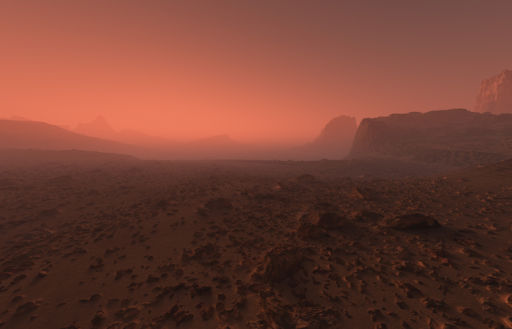 Scientists from NASA have found signs that water once flowed on Mars. The discovery was made by the Perseverance Rover in the Jezero Crater, researchers say there are hidden structures under the crater that look like an ancient river delta.
The study, titled ‘Ground penetrating radar observations of ancient large-scale deltaic structures in Jezero crater, Mars’ was published by Science Journal.
According to scientists, these structures in the crater show that water may have flowed in this area billions of years ago. The river delta under the crater is believed to be about “3.7 to 4.2” billion years old. This discovery suggests that Mars may have had a wet environment in its early history.
The rover used its instruments to study the surface and underground layers of the crater. The findings show patterns that are similar to river deltas found on Earth, these formations usually happen when rivers carry sediments and deposit them in lakes or seas.
Experts say that discovering an ancient river delta is important because water is one of the key ingredients for life. If water existed for a long time, microbes might have lived there in the past. This makes the Jezero Crater a very important place for research.
The mission is part of a larger effort to study the surface of Mars, scientists are also looking for rocks that may preserve signs of ancient life. These rocks will help them understand how the planet changed over time.
NASA plans future missions to bring Martian samples back to Earth. Researchers hope these samples will give clearer answers about water, climate, and possible life on Mars. Until then, the Perseverance Rover will continue sending valuable data from the Red Planet.
