




Safety system performed flawlessly on ISRO’s failed PSLV mission
Updated: Jan 14th, 2026


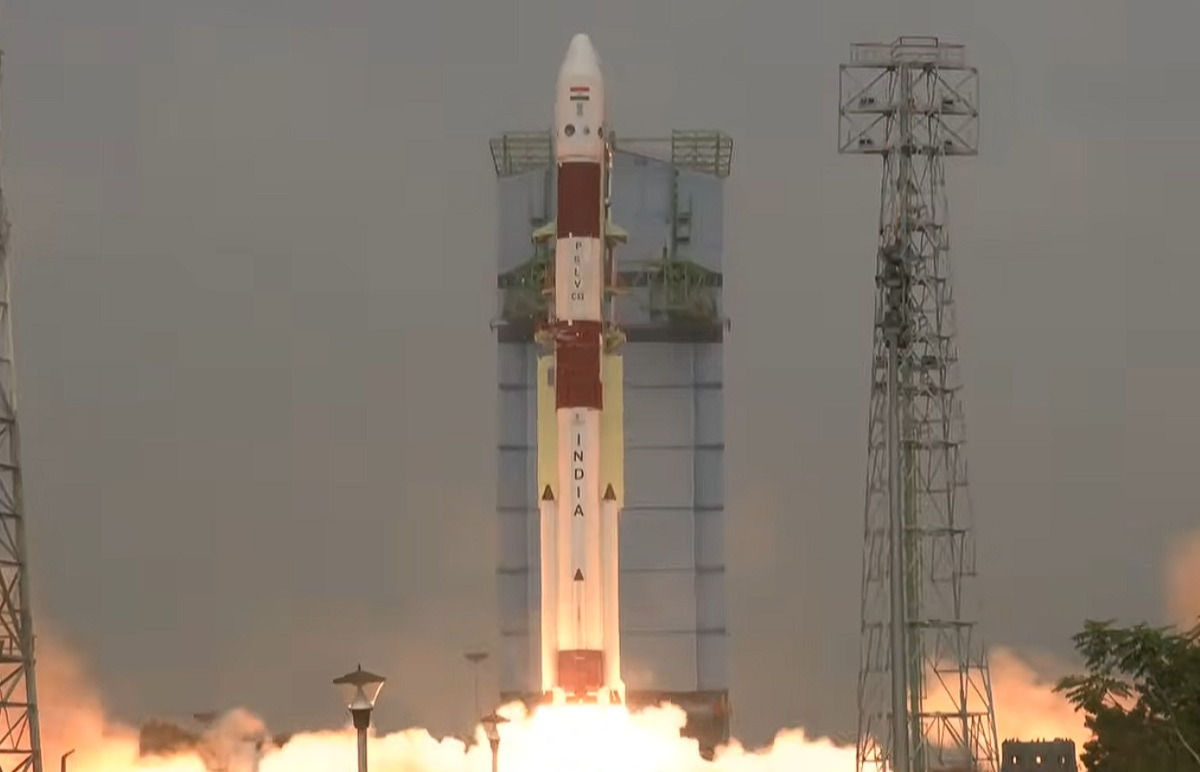
Aviation and aerospace component manufacturer UARX Space on LinkedIn has confirmed that its SAU&RON separation system performed as designed during ISRO’s PSLV-C62 mission, despite the launch ending in failure following a third-stage anomaly.
In a detailed statement, UARX Space said the PSLV-C62 mission encountered a critical issue during the third-stage burn, causing the launch vehicle to deviate from its planned trajectory and fail to achieve orbit.
While the anomaly resulted in the mission not meeting its primary objectives, UARX Space highlighted that its SAU&RON system, integrated aboard the KID (Kármán Inertial Demonstrator) re-entry capsule developed by Orbital Paradigm, remained fully functional throughout the event.
According to the company, the SAU&RON separation system operated nominally during all phases of ascent and stage separations. After the third-stage malfunction, the vehicle reportedly entered an uncontrolled dynamic state, exposing onboard systems to loads and thermal conditions likely exceeding predicted design limits.
Despite these extreme and unplanned conditions, UARX Space said the system continued to function without degradation.
Crucially, during atmospheric re-entry—when intense aerodynamic heating typically disables most separation mechanisms—the initiator successfully activated and released the KID capsule. This allowed the capsule to carry out its mission objectives in a degraded but controlled scenario.
UARX Space described the outcome not as a routine mission success, but as a demonstration of engineering resilience.
Expressing support for Orbital Paradigm and other stakeholders affected by the PSLV-C62 failure, UARX Space said it remains proud of how its system performed under conditions that went far beyond any mission forecast.
