





New study reveals hidden secrets beneath Antarctica’s melting ice
Updated: Oct 28th, 2025


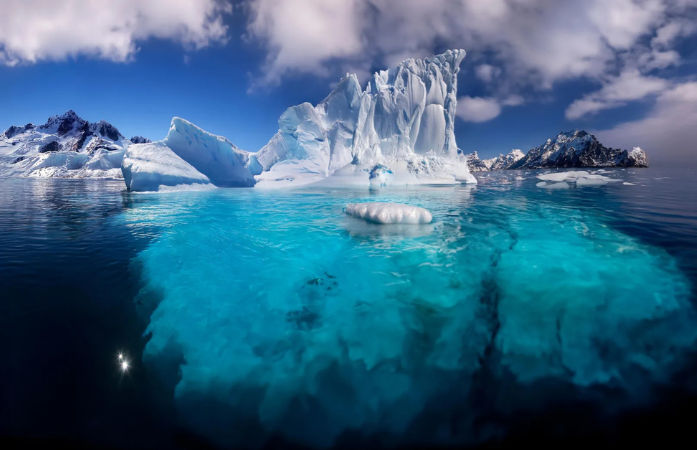 |
| Image: Science Daily |
A new study has revealed that Antarctica’s melting ice may be concealing a significant climate process influencing how the planet stores carbon. The research, published in Nature Climate Change and highlighted by Science Daily under the title ‘Melting Ice is Hiding a Massive Climate Secret Beneath Antarctica’, sheds light on the critical role of the Southern Ocean in regulating global carbon dioxide (CO₂) levels.
According to scientists from the Alfred Wegener Institute (AWI), the Southern Ocean currently absorbs nearly half of all ocean-stored human CO₂ emissions, about 40% of the total carbon captured by the world’s oceans. However, the study warns that this capacity may not last.
Researchers found that fresh, low-salinity water from melting Antarctic ice is helping trap CO₂ deep below the ocean’s surface. This process, known as stratification, prevents carbon-rich waters from rising and releasing gas back into the atmosphere. While this has temporarily strengthened the Southern Ocean’s carbon storage ability, scientists caution that it may be short-lived.
As climate change intensifies, stronger winds and shifting currents could mix ocean layers more vigorously, bringing deep, carbon-laden waters closer to the surface. Such changes might reverse the ocean’s current role turning it from a carbon sink into a carbon source.
The findings offer a crucial insight into the delicate balance of Earth’s climate system and underline how Antarctica’s melting ice not only contributes to rising sea levels but may also reshape global carbon cycles.