




NASA finds new way earth may have received elements needed for life
Updated: Jun 6th, 2026


 |
| (Image: NASA website) |
A new NASA-supported study has provided important clues about how Earth received two key elements needed for life, phosphorus and nitrogen. Scientists say these elements likely came mainly from the inner solar system, rather than from objects that traveled from the outer regions of the solar system.
The research, published in Science Advances and titled ‘Phosphorus-nitrogen systematics of first-generation planetesimals constrain life-essential element delivery to Earth’, examined iron meteorites and chondrites, which are ancient space rocks that formed during the early stages of the solar system.
By studying their chemical makeup, researchers were able to trace how phosphorus and nitrogen were distributed more than 4.5 billion years ago.
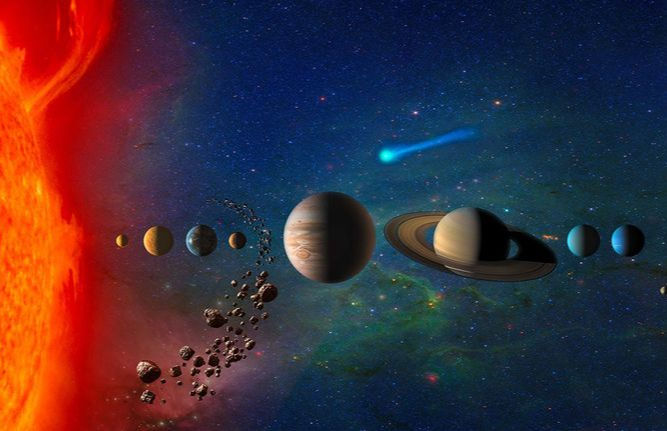
The study found that Earth's phosphorus-to-nitrogen ratio closely matches material from the inner solar system. Scientists believe Jupiter played a major role in this process.
As the giant planet grew, its powerful gravity affected the movement of gas and dust, limiting the transfer of these life-essential elements to the outer solar system. More phosphorus and nitrogen remained in the inner region where Earth was forming, as per the research.
This suggests that our planet may have received most of the ingredients necessary for life from nearby materials rather than from distant space objects.
As Jupiter became larger, its powerful gravity influenced the movement of material throughout the solar system. Scientists suggest that the giant planet acted as a barrier, limiting the flow of phosphorus and nitrogen from the inner solar system to the outer regions.
This allowed more of these life-supporting elements to remain in the area where Earth was forming, noted the study.
Using geochemical models, the team compared Earth's present day chemical signature with different meteorite groups. The results showed that Earth's phosphorus-to-nitrogen ratio is most consistent with material that originated in the inner solar system. This finding challenges the idea that Earth received a significant amount of these elements from outer solar system objects later in its formation.
Researchers say the findings improve our understanding of how Earth became habitable and could help scientists identify other planets that may have the right conditions to support life.
