




Lower protein intake may slow liver tumour growth, study finds
Updated: Mar 23rd, 2026


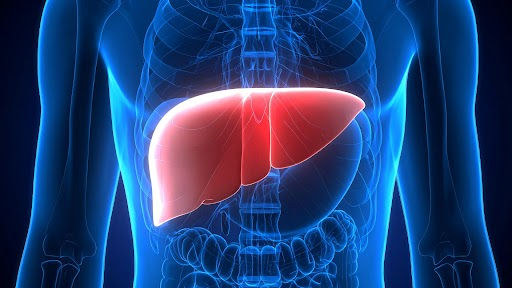 Reducing protein in the diet may help slow liver tumour growth in people with damaged livers, according to a new study. Researchers found that when the liver cannot remove ammonia properly, tumours grow faster. Lowering protein intake reduced ammonia levels and slowed tumour growth in mice.
This relates to the study titled “Impaired nitrogenous waste clearance promotes hepatocellular carcinoma”, published in Science Advances.
The study explains that a healthy liver normally converts ammonia produced when the body breaks down protein into urea, which is removed from the body, but in people with liver problems such as hepatitis, fatty liver disease, alcohol-related damage, or liver cancer, this process does not work well. As a result, ammonia builds up in the liver and bloodstream.
Scientists observed that high ammonia levels helped tumours grow faster. The extra ammonia provides nitrogen, which cancer cells use to make DNA and multiply. This creates a favorable environment for tumour development.
To test this, researchers fed mice with liver tumours a low-protein diet. With less protein, the body produced less ammonia. The tumours grew more slowly, and the mice lived longer. The same effect was seen in different liver cancer models.
The team also blocked enzymes that normally detoxify ammonia. When these enzymes were disabled, ammonia levels increased, tumours grew faster, and survival rates dropped. This showed that poor ammonia control plays a key role in tumour growth.
The findings suggest that managing ammonia levels could become a new way to control liver cancer growth, especially in people with damaged livers.
