




Google files request to release over 64 million ‘good’ mosquitoes in US
Updated: Jun 1st, 2026


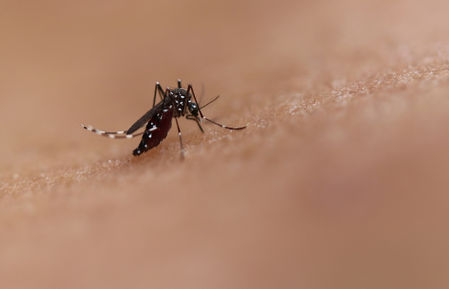
Google's Debug programme has reportedly filed a request in the US's Environmental Protection Agency (EPA) to get approval regarding the release of over 64 million the ‘good mosquitoes’ in two cities Florida and California over a two-year span. It aims to eradicate populations of disease-carrying mosquitoes.
Debug, a Google-backed initiative, is a scientific programme in which researchers and engineers have developed a technology aimed at reducing disease-carrying mosquito populations by releasing special breed sterile mosquitoes into the wild.
According to the programme's website, the strategy involves releasing male mosquitoes infected with a naturally occurring bacteria called Wolbachia. Since male mosquitoes do not bite humans or transmit diseases, they are considered safe for release.
When these males mate with wild female mosquitoes, the bacteria prevent successful reproduction, gradually reducing the population of mosquitoes capable of spreading diseases.
To support the project, Debug has developed an end-to-end technological system that includes robotic mosquito-rearing facilities, artificial intelligence to sort mosquitoes by sex, and data-driven surveillance tools. As part of the initiative, the company has sought approval to release more than 64 million of these mosquitoes in California and Florida.
The approach has received support from the World Mosquito Programme at Monash University, which has previously endorsed the use of Wolbachia-infected mosquitoes to combat mosquito-borne diseases.
Last year, the organization announced a partnership with Debug to explore automated mosquito-release systems for another mosquito species.
