




Alzheimer’s biomarker detection can now be done at home: Research
Updated: Jan 6th, 2026


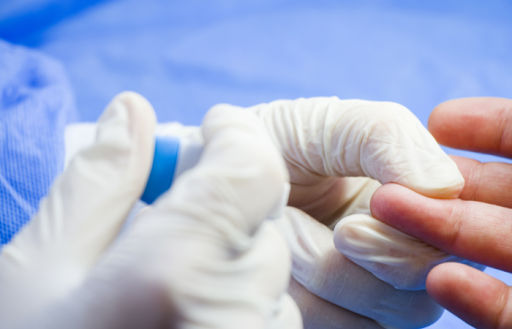
A research team has found that Alzheimer’s disease biomarkers can be accurately identified using simple finger-prick blood samples collected at home. The samples can be mailed to laboratories without the need for refrigeration or special preparation, making the process more accessible than existing diagnostic methods.
The study ‘A minimally invasive dried blood spot biomarker test for the detection of Alzheimer’s disease pathology’ published in Nature Medicine is the first large-scale effort to confirm the accuracy of this approach. Scientists say the method could help overcome geographic and infrastructure related challenges that have long limited participation in brain health research, particularly in underserved regions.
Method used to diagnose Alzheimer
Currently, Alzheimer’s disease is typically diagnosed using brain imaging or spinal fluid analysis, procedures that are costly, invasive and not widely available. In contrast, blood-based tests that measure biomarkers such as p-tau217 are emerging as a less invasive and more practical alternative.
Professor Nicholas Ashtom of Banner Health in the United States said the results could reshape how Alzheimer’s research is conducted. He noted that detecting disease related changes from finger-prick samples collected outside clinical settings could support efforts to identify individuals at risk even before symptoms appear.
Researchers collected a few drops of blood from participant’s fingertips and dried them on specialised cards for the study. These samples were analysed for proteins associated with Alzheimer’s and other neurological changes. The study included 337 participants from seven medical centers across Europe.
Results showed that p-tau217 levels measured from finger-prick samples closely aligned with those obtained through conventional blood tests. The method was also able to identify Alzheimer’s related changes in spatial fluid with an accuracy rate of 86%. Although the test is not yet approved for routine clinical use, researchers believe it could play a key role in future studies. The approach may enable remote participation in research, improve recruitment for clinical trials, support long-term monitoring, and broaden inclusion of populations that currently lack access to specialised healthcare facilities.
