




UK court rejects Nirav Modi’s plea to delay trial citing vision loss, depression
Updated: Feb 7th, 2026


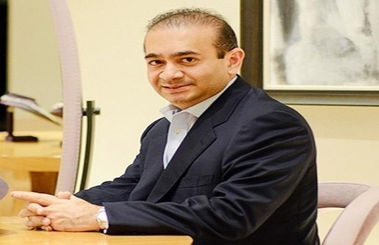
The High Court in London on Friday rejected fugitive diamond merchant Nirav Modi’s plea to delay his trial in a Bank of India unpaid loan case, dismissing claims that severe vision loss, clinical depression and prison constraints prevented him from adequately preparing his defence, as per reports.
Modi, 54, appeared via videolink from HMP Pentonville prison in north London for a pre-trial review in the $8 million Bank of India case, which is separate from the estimated $2 billion Punjab National Bank (PNB) fraud and money laundering case for which he is fighting extradition to India.
Justice Simon Tinkler reportedly ruled that Modi would not face any “substantial disadvantage” and would have “equality of opportunity in an adversarial process”, allowing the eight-day trial to proceed as scheduled from March 23.
Acknowledging the difficulties posed by prison conditions, Justice Tinkler said these were circumstances faced by many litigants and did not meet the threshold required to adjourn an imminent trial. He noted that the claimant, Bank of India, had been waiting for many years to recover what it says is owed by Modi.
Arguing for an adjournment, barrister James Kinman, appearing for Modi, said his client faced “prejudice” due to continued difficulties in accessing court documents following his transfer from HMP Thameside prison in south London last October.
He reportedly told the court that Modi was suffering from “severe vision loss”, amounting to a 60% reduction in sight, as well as clinical depression, which affected his ability to concentrate for long periods. He also cited issues arising from cell-sharing arrangements.
As per reports, Modi is housed in the education wing of the prison and is currently occupied with preparations for a fresh extradition appeal, expected to be heard later this month.
Bank of India’s counsel Tom Beasley opposed what he described as a last-minute “ambush application”, arguing that it did not materially affect Modi’s ability to conduct his defence. The judge agreed, warning that further applications without a significant change in circumstances could amount to an abuse of process.
While criticising the Prison Service’s handling of Modi’s transfer between prisons as “wholly unsatisfactory”, particularly in relation to delays in paperwork, the court dismissed Modi’s attempt to introduce a late claim disputing that he had ever signed a personal guarantee linked to the Bank of India loan.
The bank is seeking to enforce the personal guarantee in connection with a loan to Dubai-incorporated Firestar Diamond FZE. Modi has opted to represent himself as a litigant in person and is expected to be the sole witness of fact, alongside expert testimony from two Indian law specialists.
Modi has been held in custody in London since his arrest on an extradition warrant in March 2019 and has since failed in multiple bail applications and legal challenges. In December last year, the high court heard his application to reopen the extradition case on the grounds that he risked torture in India, a hearing that was adjourned after Indian authorities submitted assurances to counter the claim.
He faces three sets of criminal proceedings in India, including a Central Bureau of Investigation case relating to the PNB fraud, an Enforcement Directorate case on alleged money laundering, and separate proceedings over alleged interference with evidence and witnesses.
In April 2021, the then UK home secretary Priti Patel ordered Modi’s extradition after a UK court found a prima facie case against him.
