




Stanford students accused of misusing Jain dietary exemptions to avoid meal plans
Updated: Feb 3rd, 2026


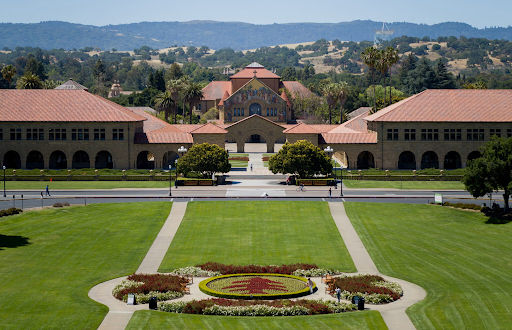 |
| (image: Stanford University website) |
Stanford University has come under online scrutiny following unverified claims that some students may be falsely identifying as followers of Jainism to avoid the university’s mandatory meal plan. The allegations, which remain unsupported by official data, have sparked a broader debate around religious accommodations, student trust, and the rising cost of campus dining at elite institutions.
The controversy gained visibility after Stanford undergraduate Sebastian Connolly published an opinion essay in The New York Times, describing what he characterised as a campus culture of ‘optimisation’, where students share strategies to navigate — and sometimes exploit — university policies. Among the examples mentioned was the claim that students could cite adherence to Jainism to qualify for exemptions from Stanford’s compulsory dining programme.
Following the essay’s publication, the discussion spread rapidly across student forums and social media platforms, particularly X. Several widely shared posts alleged that students were “pretending to be Jains” in order to redirect meal plan funds toward off-campus grocery stores instead of university dining halls. However, these claims are based largely on anecdotal accounts rather than verified evidence.
Jainism is a religious tradition rooted in the principle of ahimsa, or non-violence towards all living beings. Many practising Jains follow strict dietary rules, including a vegetarian diet that excludes meat, eggs, fish, and often root vegetables such as onions and garlic. Due to the restrictive nature of these requirements, universities commonly provide religious dietary accommodations when standard meal options cannot reasonably meet students’ needs.
At Stanford, most undergraduates living on campus are required to enrol in a meal plan costing approximately $7,944 per academic year. The university states that exemptions are available for documented religious or medical reasons, but does not publicly disclose how many students receive such accommodations, how applications are assessed, or whether misuse is monitored. This lack of transparency has made it difficult to determine whether the alleged practice represents a widespread issue or isolated cases amplified online.
The controversy has resonated more broadly amid growing dissatisfaction over high tuition fees, expensive and inflexible meal plans, and concerns about campus dining quality. While some argue the debate reflects financial pressures and limited student autonomy, others caution that increased scrutiny of religious accommodations could undermine trust-based systems and unfairly burden students with genuine religious needs.
