





Indian-origin businessman gets 14-month prison, over ₹6 lakh fine for H-1B visa fraud in US
Updated: Apr 26th, 2025


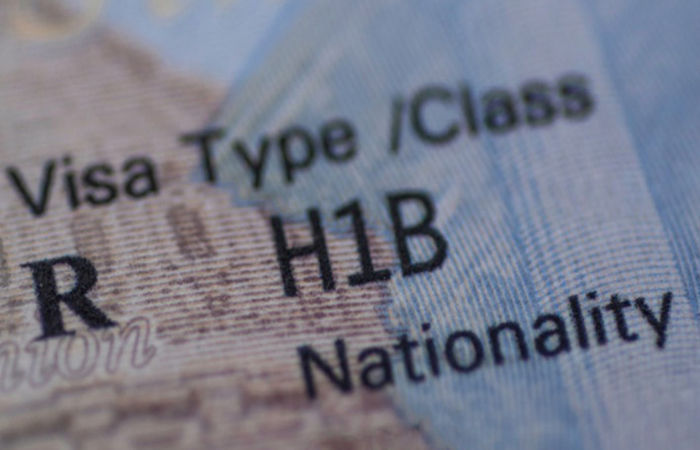
An Indian-origin businessman was sentenced to 14 months in prison for large-scale H-1B visa fraud in San Jose, US.
Kishore Dattapuram was sentenced on Saturday to 14 months in federal prison for visa fraud and conspiracy to commit visa fraud. US District Judge Edward J Davila handed down the sentence.
In addition to the prison term, Judge Davila also ordered Dattapuram to serve three years of supervised release, forfeit $125,456 (₹1,07,09,933), and pay a fine of $7,500 (₹6,40,257) and a $1,100 (₹93,904) special assessment fee.
H-1B visa fraud
Dattapuram, 55, of Santa Clara, was indicted in February 2019 along with two co-defendants on one count of conspiracy to commit visa fraud and 10 counts of substantive visa fraud. Dattapuram pleaded guilty to all counts in November 2024.
Dattapuram co-owned and operated Nanosemantics Inc, a staffing firm in San Jose that provided skilled employees to technology companies in the Bay Area.
Nanosemantics received a commission for workers placed at client companies. Nanosemantics regularly submitted H-1B petitions for foreign workers so that foreign workers could obtain temporary authorization to live and work for employers in the United States.
To secure an H-1B visa, an employer or other sponsor must submit an “I-129” petition to the United States Citizenship and Immigration Services (USCIS). A petition and associated documentation must confirm the existence and duration of the job waiting for the worker, and describe key details including the wages associated with the position.
Dattapuram worked with his co-defendants to submit fraudulent H-1B applications that falsely represented that foreign workers had specific jobs waiting for them at designated end-client companies when in fact the jobs did not exist.
On multiple occasions, Dattapuram paid companies to be listed as end-clients for the foreign workers, even though he knew the workers would never work for those employers. As the defendants admitted, the goal of the scheme was to allow Nanosemantics to obtain visas for job candidates before securing jobs for them, thereby allowing Nanosemantics to place those workers with employers as soon as those jobs were available, rather than waiting for the visa application process to conclude, and giving Nanosemantics an unfair advantage over its competitors.
Also read: