





World’s highest revolving restaurant, Asia’s longest ski drag lift inaugurated in Gulmarg
Updated: Dec 17th, 2025


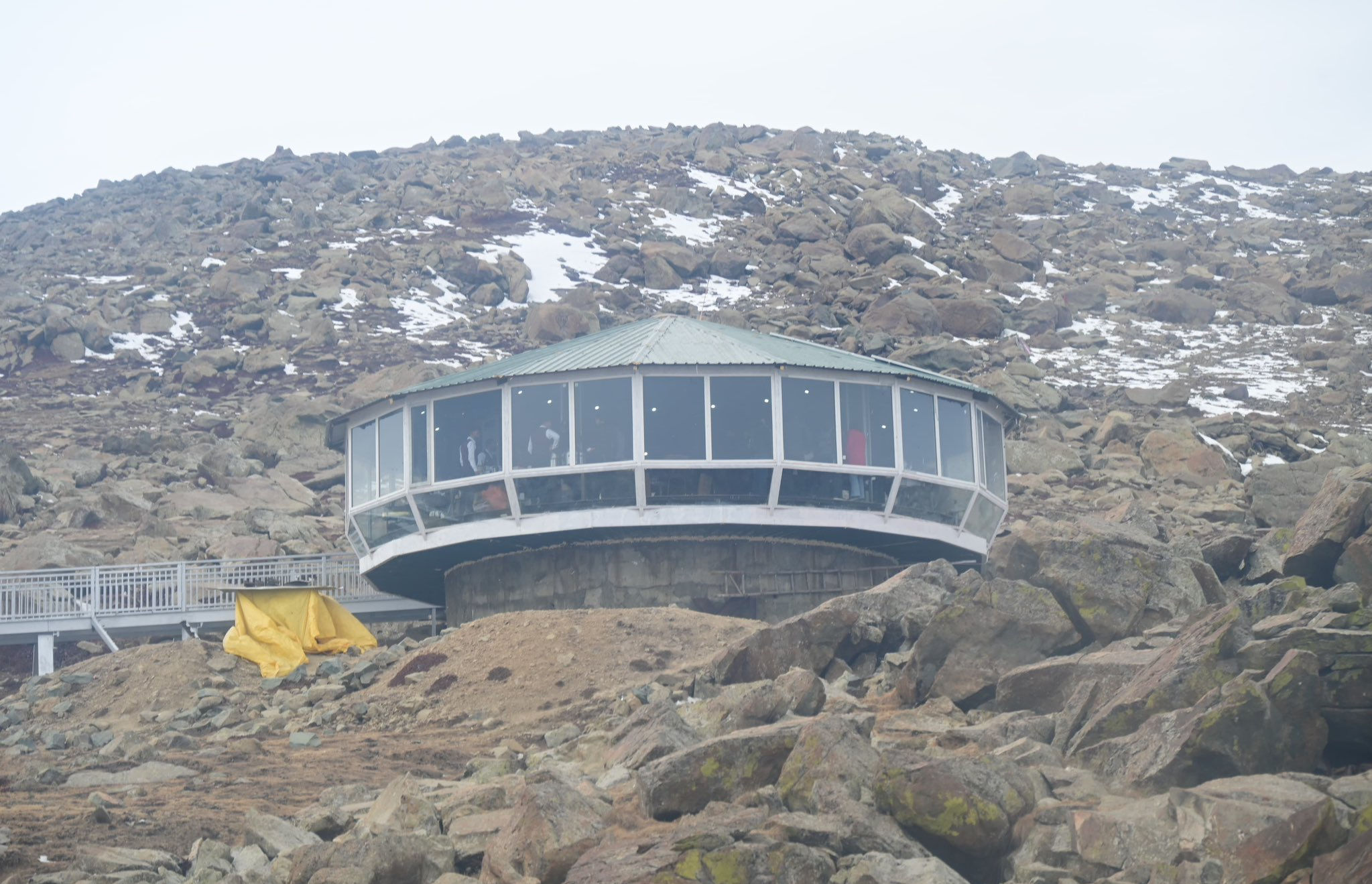
Popular hill station Gulmarg, in India’s Jammu & Kashmir Union Territory, has expanded its winter attractions with the launch of new facilities that set both global and regional benchmarks, further strengthening its position as a leading destination for snow tourism and adventure sports. On Saturday, a revolving restaurant located on Apharwat Peak was inaugurated at an altitude of nearly 14,000 feet, making it the highest of its kind in the world. At the same time, Asia’s longest ski drag lift was also unveiled.
The additions form part of a wider effort to upgrade Gulmarg’s tourism infrastructure to meet international standards and attract high-end travellers and winter sports enthusiasts.
A unique dining experience at high altitude
The revolving restaurant offers visitors an immersive experience, combining warm hospitality with sweeping views of snow-covered mountain ranges. As the restaurant slowly rotates, guests can enjoy Kashmiri Kahwa and freshly prepared food while taking in uninterrupted views of the Himalayan landscape from every angle.
Jammu and Kashmir Chief Minister Omar Abdullah inaugurated multiple projects during the event. These included the revolving restaurant and a revolving conference hall at Apharwat, a multi-purpose hall designed for events, and the ski drag lift, which spans 726 metres, built at a cost of Rs 3.65 crore.
According to officials, the new ski drag lift is expected to significantly enhance Gulmarg’s skiing facilities and improve the overall experience for athletes and tourists. The Chief Minister’s Office said the project would help further place Gulmarg on the international winter sports map.
In addition, J&K CM launched the Integrated Skiing Training and Adventure Tourism Centre and rolled out structured ski training programmes aimed at strengthening winter sports education in the region. Addressing the gathering, he described Gulmarg as the ‘crown jewel’ of Jammu and Kashmir’s tourism sector and stressed that continued investment in modern infrastructure is essential for realising its full potential.