




White House releases key details of India-US trade ties
Updated: Feb 10th, 2026


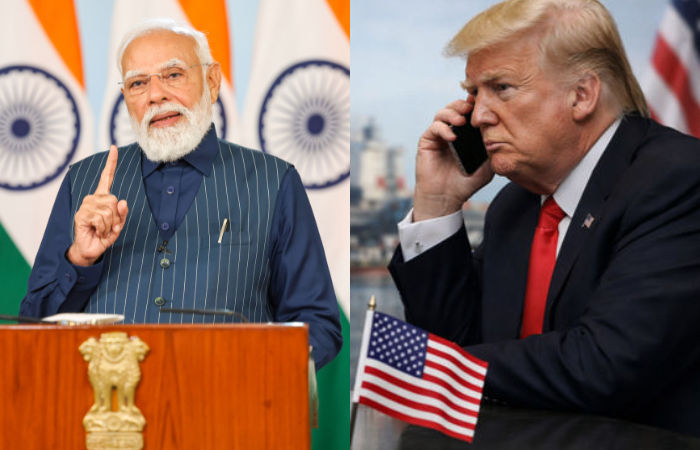
The White House has released a detailed fact sheet outlining the framework and next steps for the recently announced India-United States trade agreement, describing the “path forward” for the historic interim deal reached between the two countries.
As per reports, the agreement was finalised following a telephonic conversation between Prime Minister Narendra Modi and US President Donald Trump, in which both leaders agreed on a framework for a reciprocal trade arrangement designed to strengthen bilateral economic ties.
According to the fact sheet, the interim agreement will grant India preferential access for its exports to the United States, with lower duty rates on a broad range of products including textiles and garments, leather and footwear, plastics and rubber, organic chemicals, home decor items, artisanal goods, certain machinery and other manufactured goods.
In return, India has committed to reducing or eliminating tariffs on key US industrial and agricultural imports, such as dried distillers’ grains (DDGs), red sorghum used for animal feed, tree nuts, fresh and processed fruits, soybean oil, wine and spirits, and selected pulses, among other items.
As part of the arrangement, the White House has also withdrawn the additional 25% tariff that was previously imposed on Indian imports, a move linked to India’s decision to halt purchases of Russian oil. Alongside this, Washington has confirmed it will reduce the reciprocal tariff on Indian goods from 25% to 18%, reflecting India’s willingness to align more closely with US trade and national security interests.
The fact sheet highlights several strategic priorities, including plans for enhanced bilateral cooperation on rules of origin to ensure that the benefits of the agreement accrue primarily to goods produced in India and the United States.
It also notes India’s commitment to eliminate digital services taxes and negotiate comprehensive digital trade disciplines aimed at reducing discriminatory practices and barriers to the flow of electronic commerce. Additionally, both nations are expected to strengthen economic security alignment, with a focus on supply chain resilience, innovation and cooperation on investment reviews and export controls.
The joint statement accompanying the fact sheet also points to a significant increase in the purchase of US goods by India, targeting purchases exceeding $500 billion across sectors such as energy, information and communication technology, agriculture and coal. Both sides have pledged to address non-tariff obstacles affecting bilateral trade in priority areas.
Implementation of the interim framework is expected to begin in the coming weeks, with continued negotiations aimed at finalising the Interim Agreement and ultimately concluding a comprehensive Bilateral Trade Agreement (BTA). These talks will focus on remaining tariff and non-tariff barriers, technical barriers to trade, customs and trade facilitation, regulatory practices, services and investment, intellectual property, labour and environment standards, government procurement, and practices by state-owned enterprises that are considered trade-distorting.
Overall, the White House fact sheet underscores a clear roadmap for enhanced trade cooperation between India and the United States, reflecting a mutual commitment to balanced and reciprocal trade that supports economic growth and provides greater certainty for businesses and exporters in both countries.
