




Synthetic paneer to be banned by FSSAI: reports
Updated: May 7th, 2026


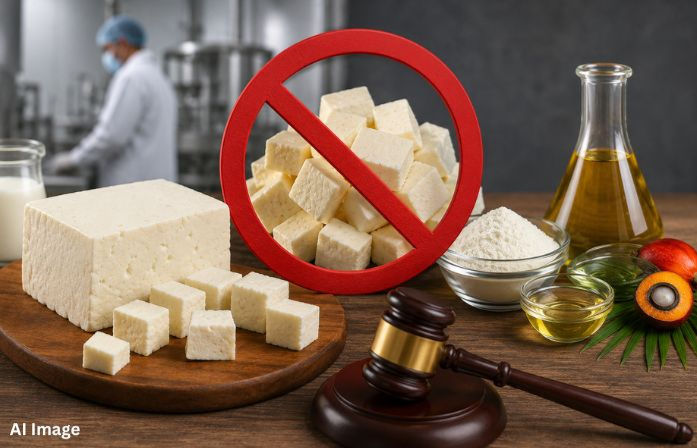
With rising concerns over food adulteration and increasing cases of food poisoning linked to fake dairy products, the Food Safety and Standards Authority of India (FSSAI) is preparing to ban the sale of synthetic paneer across the country.
The move comes after a proposal received official approval during a recent FSSAI meeting. Reports suggest that a high-level committee had prepared the proposal in October 2025, which was later finalised and cleared in March 2026.
According to officials, the decision has been taken to curb the growing sale of fake paneer being marketed as genuine dairy products, posing risks both to public health and the dairy industry.
Synthetic paneer is prepared using little or no actual milk. Instead, manufacturers use mixtures of palm oil and milk powder to create a product that closely resembles real paneer in both appearance and taste, making it difficult for ordinary consumers to identify the difference.
Health experts warn that such products often contain lower nutritional value and may include chemicals harmful to digestion and heart health.
Currently, nearly 1,000 companies and traders across India reportedly hold licences to manufacture synthetic paneer. The government is now expected to stop issuing new licences, while existing manufacturers may be given a transition period to clear stock and gradually shut down production units to avoid sudden financial losses.
Because synthetic paneer is significantly cheaper than genuine dairy paneer, its demand has reportedly increased in hotels, restaurants and bulk food supply chains. Authorities believe the proposed ban could help reduce the circulation of adulterated dairy products in the market.
The proposed crackdown has also triggered a larger debate over enforcement. Critics point out that prohibition alone may not necessarily eliminate illegal sales.
Food safety experts argue that unless authorities strengthen inspections, supply-chain monitoring and testing mechanisms, synthetic paneer could continue to be sold illegally under the guise of genuine products.
Experts say strict enforcement, regular food testing drives and heavy penalties against adulteration networks will be critical if the government wants the proposed ban to have a real impact on public health and consumer safety.
