





Pak suspends Simla Agreement after India’s Pahalgam response: What it means for two countries?
Updated: Apr 25th, 2025


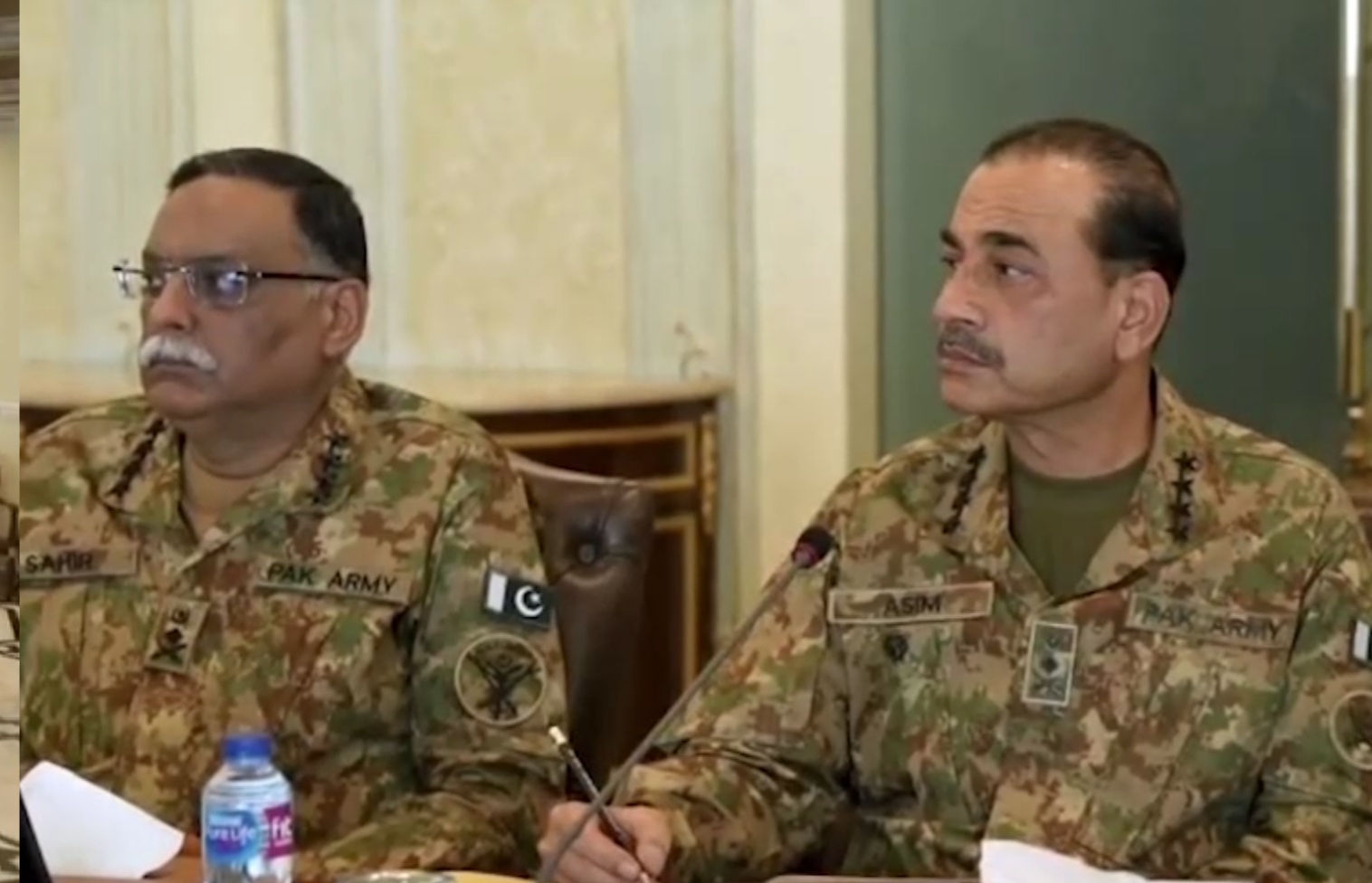 Pakistan has announced the suspension of the Simla Agreement and all other bilateral accords with India, just a day after New Delhi undertook a series of strong countermeasures following the Pahalgam terror attack.
The move was part of a broader set of actions reportedly approved by Islamabad, including closing its airspace to Indian aircraft, halting trade, shutting the Wagah border crossing, and revoking visas issued to Indian citizens under the SAARC exemption scheme.
India’s retaliatory steps included downgrading diplomatic ties with Pakistan, suspending the Indus Waters Treaty, expelling Pakistani military attachés, and closing the Attari land port – all in response to evidence of cross-border involvement in the April 22 terror attack that killed 26 people, including one Nepali national.
The Simla Agreement, signed in 1972 in the aftermath of the 1971 war, was a pivotal accord that shaped the postwar framework of India-Pakistan relations. Signed by then Prime Minister Indira Gandhi and then Pakistani President Zulfikar Ali Bhutto, the agreement focused on peaceful coexistence, mutual respect for territorial sovereignty, and resolution of disputes through bilateral dialogue – principles that have underpinned diplomatic exchanges between the two nations for over five decades.
A central tenet of the agreement was the conversion of the 1971 ceasefire line into the Line of Control (LoC) in Jammu and Kashmir. Both nations pledged to respect this line and not alter it unilaterally, while also committing to non-aggression and a step-by-step restoration of ties including communication, trade, and cultural exchanges.
With the agreement now suspended by Pakistan, analysts say the already fragile diplomatic relationship could suffer further. The suspension could cast a shadow over existing protocols related to the LoC, heightening the risk of escalation and miscalculation in an already volatile region.
Moreover, the collapse of a long-standing bilateral framework may open the door for renewed efforts to internationalise the Kashmir issue – a move India has consistently resisted by citing the Simla Agreement’s emphasis on bilateralism.
The development comes at a time of heightened tensions, with cross-border hostilities and counter-terror operations intensifying. By discarding the framework that once ensured some level of diplomatic engagement, both sides may find fewer guardrails in place to manage conflict or avoid further deterioration.
While the long-term implications remain to be seen, the immediate fallout could affect cross-border movement, air travel, trade, and broader regional stability, particularly if communication channels continue to shrink in the absence of formal agreements.