





Not just tomatoes: Wider range of food items drive 7% plus inflation
Inflation in pulses has nearly doubled in last five months
The lack of rain in the month of August didn’t help either
Updated: Aug 27th, 2023


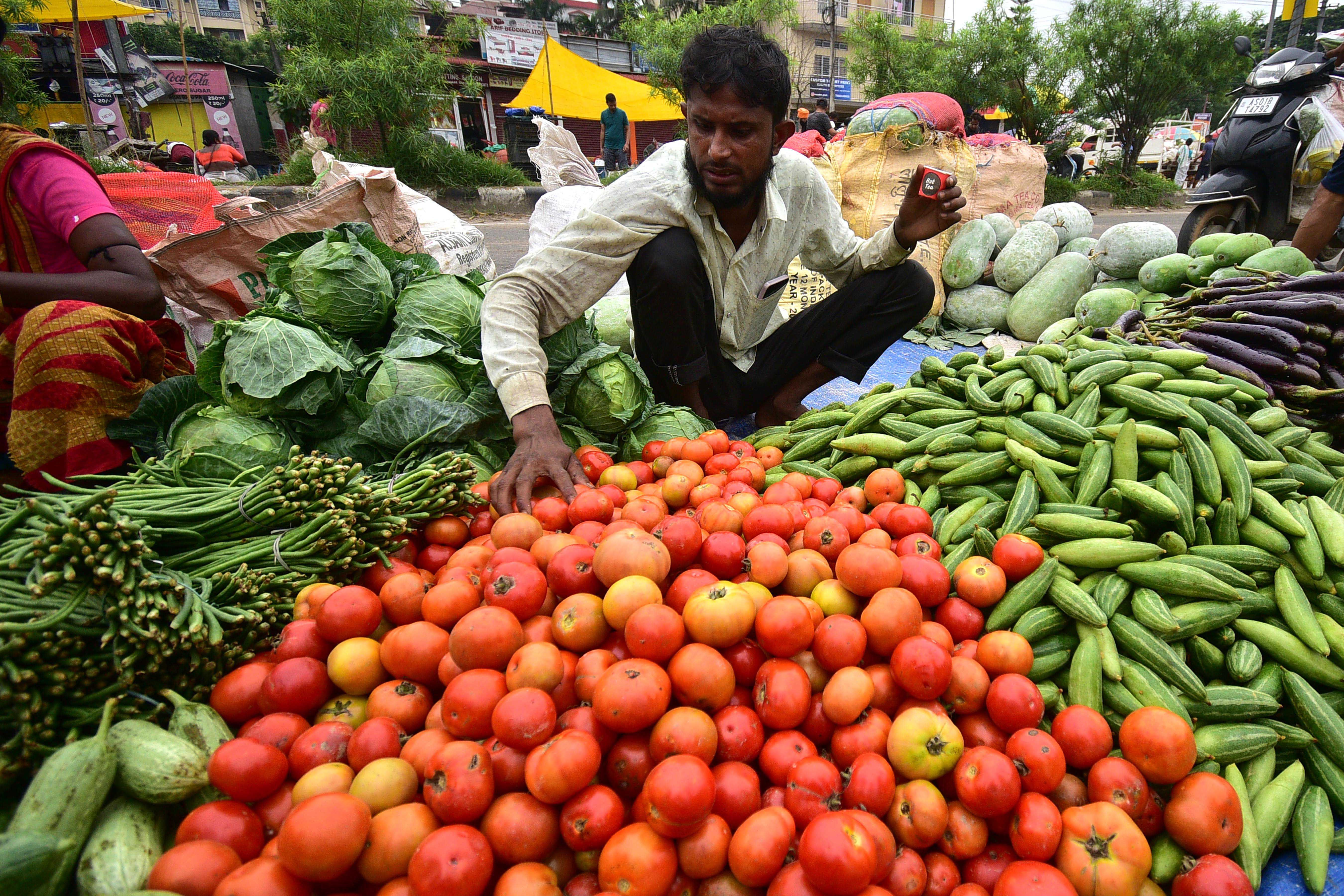 |
| Image: IANS |
Staples like cereals and pulses are unlikely to offer relief in the near term amid hardening international prices and subdued sowing domestically.
This raises the likelihood of inflation remaining above 7% in August, said a research report by a private broking firm.
In July, India witnessed a surge in Consumer Price Index (CPI) inflation, reaching a 15-month peak at 7.44%, a significant jump from June’s 4.81%.
This reveals two primary insights for July’s inflation narrative: firstly, the primary driver of this inflation spike was food prices.
Secondly, the inflation isn’t solely attributed to vegetables, especially tomatoes. Instead, a wider range of food items, including cereals, pulses, and spices, have contributed to the price pressures.
The climate factors
Climate risks of irregular weather and rainfall patterns along with a pick-up in global food inflation resulted in domestic food prices presenting an absolute shocker in July 2023, the report said.
“El Nino can turn out to be a potential potboiler for food inflation in coming months. We have seen a sharp increase in food inflation in the last two months mainly due to damage to a few crops and unseasonal weather patterns,” the report said.
The sowing of pulses is down by 9.2%, while that of oilseeds is lower by 1.7%. It is likely to impact the production of moong, toor, urad, and spices.
“Dry climate in the coming couple of months can impact height, density and yields of pulses in a major way as their cultivation is done more in the rain-fed areas. We note that prices of some of the spices are on the boil and don’t rule out higher prices of pulses and oilseeds,” the report said.
“We believe high inflation can be a political hot potato in an election year, forcing govt to slow down capex,” it added.
In August, the monsoon has fallen significantly short of the long-term average, registering a deficit of 30%, said another report.
The southern regions of India, in particular, have experienced notably dry conditions.
After starting the month on a positive note with a 5% surplus due to a wet July, the monsoon took a downturn in August, with an overall deficit of 7% as on Aug 20, the report said.
While the Northwest (6% above normal) has received above normal rainfall, Central India (2% below normal), South Peninsula (13% below normal) and Eastern and Northeastern regions have witnessed deficient rainfall patterns (20% below normal).
El Nino has strengthened from a “weak” to a “moderate” state and the latest update from the US weather agencies said there is a 66% chance of it developing into a strong event later this year.
The crops don’t paint a pretty picture
Kharif sowing as of Aug 18 stands at 0.1% higher than last year. The area under paddy cultivation is now 4.3% higher than last year. However, the area under pulses is still 9.2% lower than last year. Production of jute, cotton, and oilseeds is also lower.
Coarse cereals (1.6% YoY) and sugarcane (1.3% YoY) continue to do well, the report said.
Lower irrigation cover across the major states could have a more pronounced impact on the production of pulses. Inflation in pulses has nearly doubled in the past five months. Deficient rainfall, and consequently lower rice and pulses sowing, has pushed prices higher.
Rice constitutes around 4.4% and pulses have a weight of 6% in the overall CPI basket.
(Source: IANS)
-Edited for style
For more such updates and news on the go, follow us on