




Dr Manmohan Singh: Architect of India’s economic liberalisation, shaper of key reforms
Updated: Dec 27th, 2024


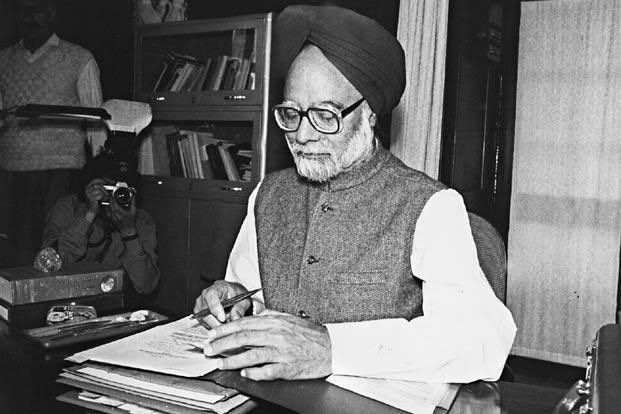
Former prime minister of India and renowned economist Dr Manmohan Singh passed away late on Thursday night (December 26) at the age of 92. Singh is credited with numerous achievements, particularly for his significant contribution to economic liberalisation.
Economic liberalisation
Singh, a renowned economist and politician, held key roles at the Reserve Bank of India, Planning Commission, and IMF before entering politics. As the finance minister in 1991, his economic reforms, including liberalisation and deregulation, transformed India into a fast-growing economy, attracting foreign investment, modernising industries, and lifting millions out of poverty. His global expertise earned widespread respect.
Rise of the industrial revolution
On July 24, 1991, Singh introduced a landmark industrial policy that ended the ‘Licence Raj’, eliminating the need for government approvals for most industrial operations. The policy deregulated nearly 80% of the sector, reduced public sector-exclusive industries from 17 to 8, and promoted private enterprise and foreign investment, boosting industrial growth and employment.
National Rural Employment Guarantee Act (NREGA)
Dr Singh’s government introduced the National Rural Employment Guarantee Act (NREGA) in 2005. It guaranteed 100 days of wage employment to every rural household, significantly improving livelihoods and enhancing rural infrastructure.
Right To Information Act and Right To Education
The Right To Information Act (RTI), passed in 2005, empowered citizens to obtain information from public authorities. This act promoted transparency and accountability in governance. The RTE Act was designed to guarantee free and compulsory education for children aged 6 to 14, establishing education as a fundamental right.
Aadhaar initiative
The Aadhaar project was launched to provide unique identification to residents, facilitating access to various services.
Direct Benefit Transfer (DBT)
Dr Singh’s government implemented the Direct Benefit Transfer system, streamlining welfare distribution and addressing inefficiencies.
Farm loan waiver (2008)
To address the agricultural crisis, a relief package of ₹60,000 crore was provided by waiving loans for farmers.
India-US Civil Nuclear Agreement
One of Dr Manmohan Singh’s most significant achievements was negotiating the India-US Civil Nuclear Agreement. This agreement allowed India an exemption in the Nuclear Suppliers Group (NSG), enabling the separation of its civilian and military nuclear programmes. It also permitted India to import uranium from countries with the required technology.
Also read:
