




Indian Railways doubles minimum penalty for ticketless travel to ₹500
Updated: Jun 21st, 2026


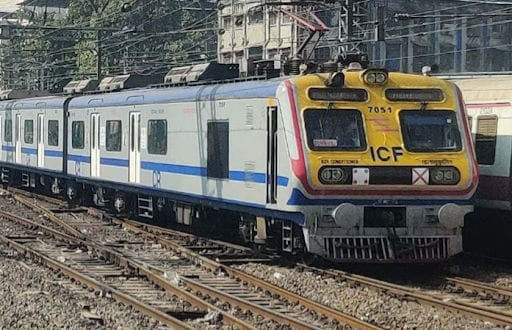
Indian Railways has doubled the minimum penalty for travelling without a valid ticket from ₹250 to ₹500, with the revised provision coming into effect from June 20 under the Jan Vishwas (Amendment of Provisions) Act, 2026.
The move is aimed at curbing ticketless travel and ensuring smoother railway operations across the country. Railway authorities have repeatedly urged passengers to purchase valid tickets before undertaking train journeys.
In a statement, Indian Railways said the minimum penalty under Sections 137 and 138 of the Railways Act, 1989, has been increased to ₹500 with immediate effect.
"As per the provisions of the Jan Vishwas Act, 2026, the minimum penalty under Sections 137 and 138 of the Railways Act, 1989, has been increased from ₹250 to ₹500 with effect from June 20, 2026. Passengers are requested to travel with a valid ticket and follow railway rules to avoid penalties," the statement said.
The Ministry of Railways issued a gazette notification on June 19 bringing the amended provisions into force. The revised law strengthens penalties for passengers found travelling without a proper pass or ticket, or attempting to reuse tickets that have already been utilised for previous journeys.
Under the amended provisions, offenders will be liable to pay the applicable fare along with excess charges, subject to a minimum penalty of ₹500 or such amount as may be notified by the Central Government.
The law also provides that passengers who fail or refuse to pay the fare and penalty may face legal proceedings. Courts may order recovery of the dues and, in cases of default, impose imprisonment of up to six months, a fine of up to ₹500, or both.
The stricter enforcement comes amid continued efforts by railway authorities to check unauthorised travel. In May this year alone, the Central Railway zone collected ₹40.85 crore from nearly 4.96 lakh passengers found travelling without valid tickets.
Railway officials said the revised penalty structure is expected to act as a deterrent against ticketless travel and improve compliance with railway regulations.
