





Desi Dishes with ViDesi Origins: Samosa, Dal Chawal, aren’t Indian?
Our favourite 'comfort food' that we often crave for is not even of an Indian origin!
Updated: Jun 25th, 2023


 |
| Desi Dishes with ViDesi Origins |
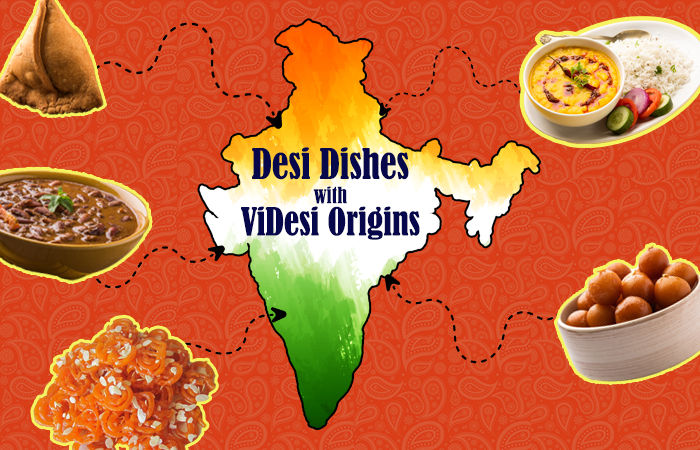
Food is an emotion and who better than Indians to vouch for it! The subcontinent which is home to various cultures, what the country collectively has never compromised upon is: food. However, our favourite 'comfort food' that we often crave for is not even of an Indian origin! Many famous delicacies were either brought by traders or invaders which have over the time became Indian household staples.
Samosa
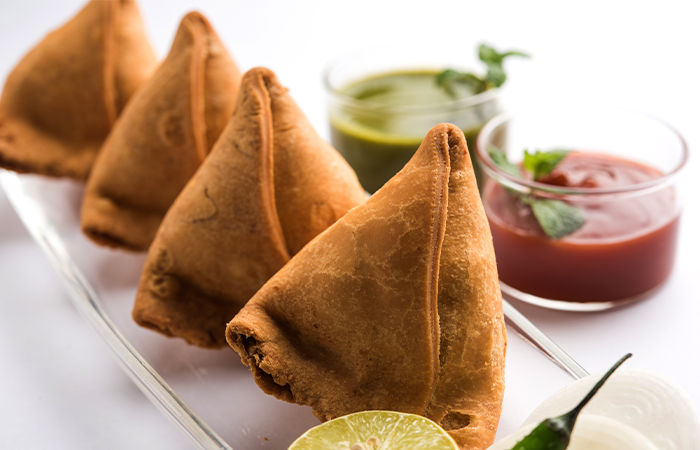 |
| Samosa served with sauce and chuttney (image: Envato Elements) |
At any given point in time, no one would deny a chai and a plate of samosa. Some showers of rain, a hot cup of tea to sip, and some samosas to snack on, is the perfect unwinding. It may come as a pleasant surprise though that the samosas are not an Indian dish! These fried triangular potato pockets originated from the Middle East. They were originally known as ‘sambosa’, and came to India in the 14th century via central Asia.
Dal Chawal
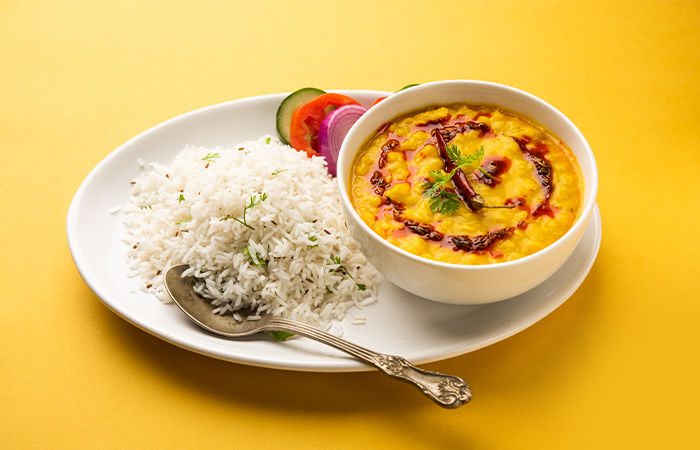 |
| Dal Chawal (image: Envato Elements) |
This one is so unbelievable that our mothers may never agree with this. But, as perplexing as it sounds, it is true that our go-to and beloved dal chawal are not originally Indian. Our ‘Maa ke haath ke dal chawal’ that often even the celebrities swear by was initially a Nepalese dish, associated deeply with the profession of mountaineering, as a major amount of terrain in Nepal is mountainous.
Rajma
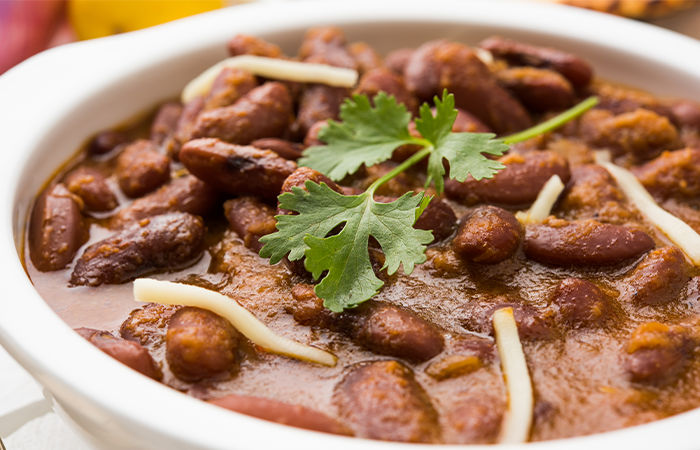 |
| Rajma Curry (image: Envato Elements) |
On the days when our pockets growl louder than our stomachs, rajma has helped us have them both filled enough. It might break many a hearts to learn that rajma never originated from India, but was rather brought here. Rajma was originally grown in Mexico and Guatemala as the ‘red kidney beans’. Later, the European traders from Spain and Portugal got their hands on this dish, who brought it to Europe, and further propagated it to India.
Gulab Jamun
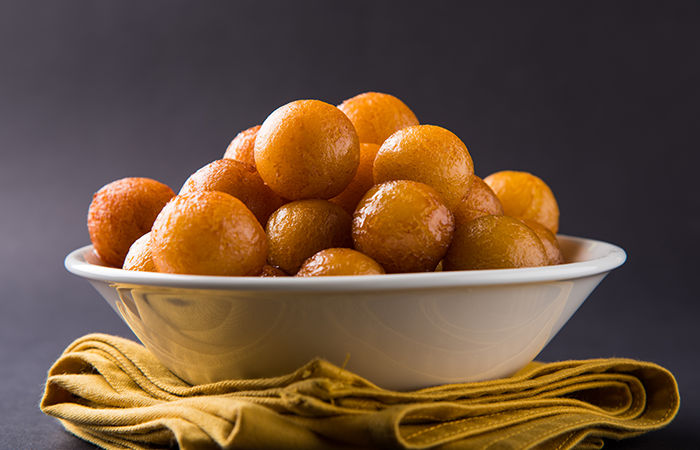 |
| Gulab Jamun (image: Envato Elements) |
This 'birthday party' favourite made with flour, milk, sugar syrup and a dollop of love is known for making happy occasions the happiest and sweet memories the sweetest. But a bitter truth is that the beloved gulab jamun was originally a Persian delicacy. ‘Gol, meaning flower, and ‘ab', meaning water in Persian, this dish was brought to India by Central Turkish invaders.
Jalebi
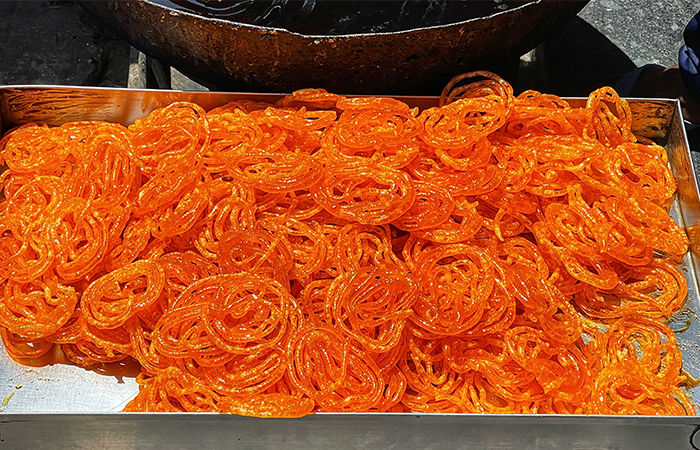 |
| Jalebi served in a tray(image: Flickr) |
The concentric circles built into this sweet could be hypnotising and savoury. A wedding or any happy occasion in India almost feels incomplete without it. A Dussehra special, jalebi is in fact our National sweet dish. All these jalebis might be digested, but our Indian hearts won’t be able to digest the fact that jalebis ae originally a Middle Eastern dish. Known as ‘zalabiya’ in Arabic, India adapted jalebi into its food patterns after the 15th century.
India truly is a melting point of cultures. Who knows what more adds to the plates of ever-expanding globe-trotting Indians! Hummus and guacamole anyone?
For more such updates and news on the go, follow us on