




Indian airlines warn of disruption as fuel prices surge, capacity cuts, flight cancellations likely
Updated: Apr 28th, 2026


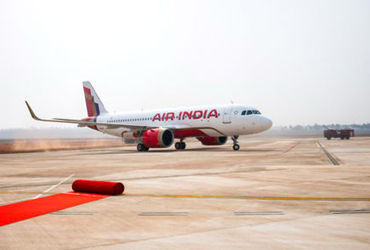
India’s aviation sector is facing mounting pressure amid the ongoing Middle East crisis, with airlines warning that soaring fuel costs could severely disrupt operations. Industry players have flagged that Aviation Turbine Fuel (ATF), which makes up nearly 40% of operating expenses, is becoming increasingly unsustainable at current price levels.
Leading carriers, including Air India, have reportedly approached the government seeking urgent intervention to revise ATF pricing.
The Federation of Indian Airlines, which represents Air India, IndiGo and SpiceJet, has cautioned that any sharp or uneven increase in fuel prices could push airlines into heavy losses, potentially leading to grounded aircraft and widespread flight cancellations.
Airlines have indicated that long-haul international routes are bearing the brunt of the surge, as fuel costs on these sectors have risen far more steeply compared to domestic operations. While the government has capped the increase in ATF prices for domestic flights, international fuel rates have seen a significantly sharper jump, as per reports.
To address the situation, the industry has urged authorities to consider a more balanced pricing framework that ensures parity between domestic and international fuel costs. One of the key suggestions includes revisiting earlier mechanisms designed to prevent extreme fluctuations between crude oil prices and refined ATF rates.
With fuel prices continuing to remain volatile due to geopolitical tensions, airlines have stressed the need for immediate financial and policy support to maintain operations and avoid large-scale disruptions in the sector.
Indian airlines are likely to take a call on capacity cuts after the next ATF revision, as a sharp increase in jet fuel prices could force them to rationalise operations, particularly on less profitable routes, according to a report on Tuesday.
Domestic carriers are in a wait-and-watch mode as they assess the impact of rising ATF prices and prepare for possible changes following the next price revision due in May, NDTV Profit reported.
The report said industry sources indicated that airlines may reduce frequencies on low-yield routes, with short-haul sectors expected to face the most significant impact if fuel costs rise substantially. Routes with consistently low passenger occupancy may also see cuts.
Airlines are also evaluating multiple scenarios, including potential changes to the government-imposed cap on ATF price increases.
If the current 25% cap on monthly price hikes is withdrawn, domestic flight cancellations could rise sharply, the report said.
At the same time, the government has taken steps to cushion the aviation sector from the impact of the West Asia crisis. These include a 25% reduction in parking and landing charges at major airports, along with capping the increase in ATF prices at 25% for April.
Despite these measures, airlines remain cautious and continue to closely monitor fuel price movements before making any network or capacity adjustments.
India’s heavy reliance on oil imports, which account for over 85% of its fuel needs, has heightened vulnerability to geopolitical disruptions, including the recent West Asia crisis that has already led to supply concerns in parts of the country.
Meanwhile, the government has raised excise duties on petroleum products, including high-speed diesel, with immediate effect, according to a notification issued by the Ministry of Finance.
The government also increased duty on ATF to ₹42 per litre from ₹29.5 per litre earlier, while export duty on petrol remained unchanged at nil. Separately, oil marketing companies had raised ATF prices.
(with inputs from syndicated feed)
