





India introduces Immigration and Foreigners Bill, 2025, in LS, concerns visa denials on security grounds, entry rules, and foreigners’ education
Updated: Mar 12th, 2025


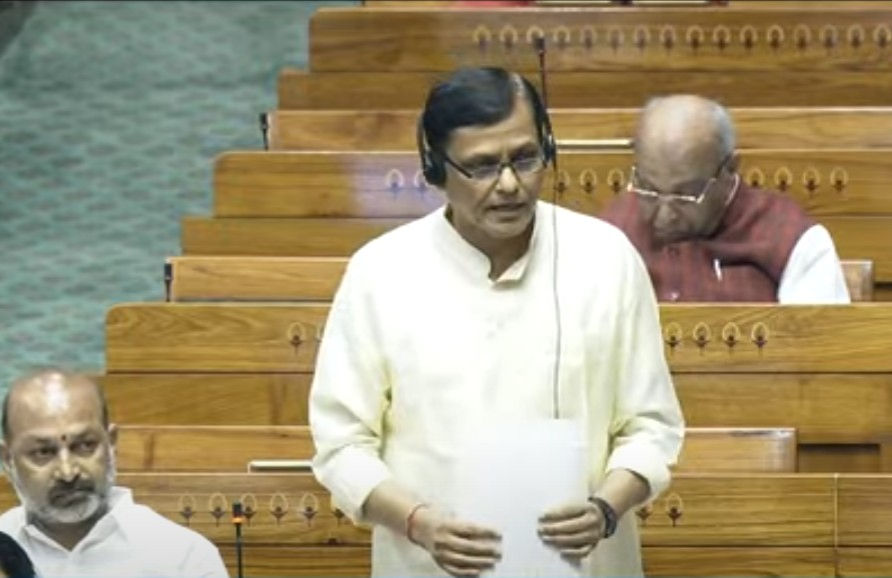
The Union government has introduced the Immigration and Foreigners Bill, 2025, in the Lok Sabha, seeking to modernise and streamline India’s immigration laws. The proposed legislation replaces four existing laws and introduces provisions allowing visa denial on national security grounds, movement restrictions, and penalties for violating entry or exit regulations.
Union Minister of State for Home Nityanand Rai while presenting the Bill, emphasised that it aims to bring a unified legal framework for immigration, passports, and foreign registration, ensuring better compliance among agencies. The Bill grants the Centre the authority to regulate the entry and stay of foreigners, including their admission to universities and hospitals. Educational institutions, medical colleges, and healthcare facilities would now be required to notify the government about foreign students and patients, with penalties in place for non-compliance.
The move has drawn criticism from opposition parties, with Congress leader Manish Tewari questioning the government’s legislative competence to introduce such a Bill. He argued that certain provisions could violate constitutional rights and international commitments. Trinamool Congress MP Saugata Roy expressed concerns that stricter reporting requirements for universities and hospitals might deter foreign talent and create bureaucratic hurdles.
Defending the Bill, Rai asserted that national security remains a priority alongside India’s commitment to promoting tourism and academic exchange. He highlighted that outdated laws, some dating back to World War I and II, were being replaced with a modernised framework to address contemporary immigration challenges.
Despite opposition objections, the government maintains that the proposed law strengthens border control, enhances national security measures, and ensures accountability in the movement of foreigners within India.
(With inputs from syndicated feed)