





India ‘extremely disappointed’ with $300 bn COP29 deal for developed countries
Updated: Nov 25th, 2024


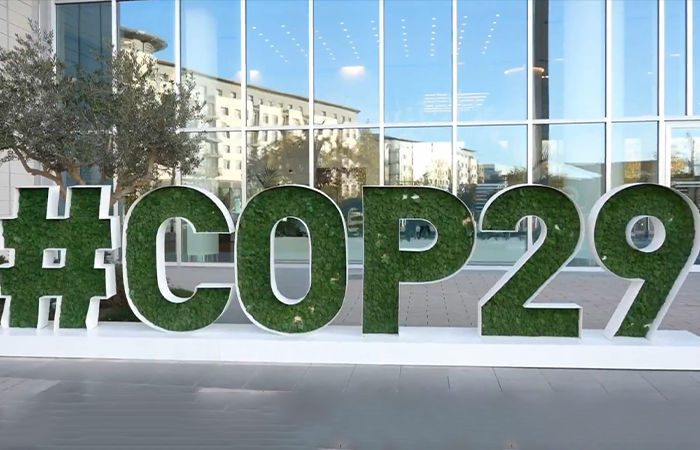 |
| COP29 summit |
A climate agreement finalised on Sunday at the 29th session of the Conference of the Parties to the United Nations Framework Convention on Climate Change (COP29) saw stark resistance from India.
Even as the deal was gavelled through, the Indian delegate, Adviser, Department of Economic Affairs, Chandni Raina, raised objections. “We wanted to make a statement prior to any decision on the adoption. However, this is for everyone to see this has been stage-managed and we are extremely disappointed with this incident.”
Many climate advocates found the voices of the most vulnerable being sidelined, human rights and civil society participation ignored, and accountability swept under the rug at the two-week UN climate change negotiations.
They opine that the package on mitigation, adaptation, and finance fails to deliver on the promises of the Paris Agreement and leaves the most vulnerable to pay the price for this inaction.
What is the $300 bn climate deal under heat?
The COP29 conference closed with a new finance goal to help countries to protect their people and economies against climate disasters, and share in the vast benefits of the clean energy boom.
With a central focus on climate finance, COP29 brought together nearly 200 countries in Baku, Azerbaijan, and reached a breakthrough agreement that will: Triple public finance to developing countries, from the previous goal of $100 billion annually, to $300 billion annually by 2035 and secure efforts of all actors to work together to scale up finance to developing countries, from public and private sources, to the amount of $1.3 trillion per year by 2035.
Talking over this agreement, UN Secretary-General Antonio Guterres said, “This was a complex negotiation in an uncertain and divided geopolitical landscape. I commend everyone who worked hard to build consensus. You have shown that multilateralism–centred on the Paris Agreement–can find a path through the most difficult issues.
“I appeal to governments to see this agreement as a foundation–and build on it.”
India’s firm stance against the deal
Aarti Khosla, Director, Climate Trends, said, “The $300 billion from all sources by 2035 remains uncertain and unclear but the best possible in times of geopolitical tensions existing across the world. The final agreement was objected to by India. It has been inadequate in the amount of funding and a tough pill to swallow. However, finer elements like setting aside funds for least developed countries are slight progress.”
However, Simon Stiell, Executive Secretary, UNFCCC believes “it has been a difficult journey, but we’ve delivered a deal”.
“This new finance goal is an insurance policy for humanity, amid worsening climate impacts hitting every country. But like any insurance policy–it only works –if the premiums are paid in full, and on time. No country got everything they wanted, and we leave Baku with a mountain of work still to do,” he said.
(With inputs from syndicated feed)