




India developing indigenous DME fuel technology to reduce LPG import dependence
Updated: May 18th, 2026


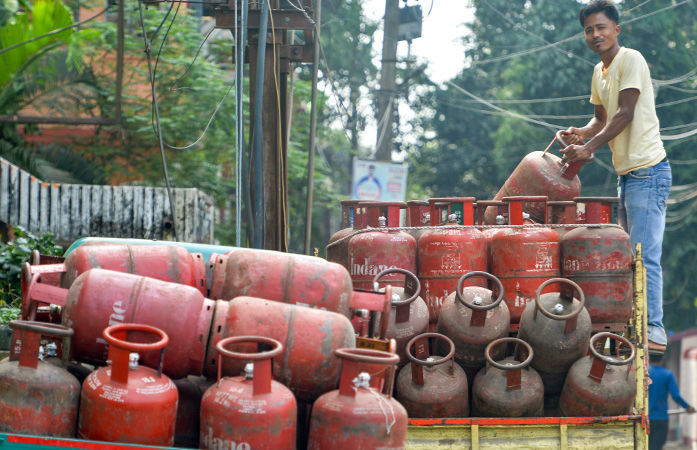
India is moving towards greater energy self-reliance with scientists at Pune’s CSIR-National Chemical Laboratory developing an indigenous alternative to Liquefied Petroleum Gas (LPG) known as Dimethyl Ether (DME),as per reports.
Used daily in crores of Indian households, LPG reportedly remains heavily dependent on imports, making India vulnerable to global supply disruptions and price fluctuations. Scientists believe DME could emerge as a major alternative fuel in the coming years, significantly reducing the country’s dependence on foreign LPG supplies.
One of the biggest advantages of DME is that it can be produced domestically using resources such as coal, biomass, and methanol. As per reports, according to Dr. T. Raja, a scientist associated with the project, DME shares several characteristics with LPG and can be blended with propane and butane gases for domestic and industrial use.
In the initial phase, researchers plan to introduce a fuel blend consisting of 20 percent DME and 80 percent LPG. This would allow consumers to continue using their existing LPG cylinders and stoves without any major modifications.
Reports also suggest that the scope of DME extends beyond household cooking. The fuel can potentially be used in LPG-powered auto rickshaws and other transport applications, opening new possibilities for cleaner and more affordable energy use in the mobility sector.
As per reports, the estimate is that large-scale adoption of DME technology could help India save nearly $4.04 billion, or approximately ₹34,200 crore, in foreign exchange. The development is reportedly considered strategically important at a time when geopolitical tensions and instability in West Asia continue to affect global LPG prices and supply chains.
The production process involves converting coal into synthetic gas through coal gasification technology, after which DME is produced. According to source, the DME emits significantly lower pollution compared to conventional hydrocarbon fuels, positioning it as a promising clean fuel alternative.
The Bureau of Indian Standards has already approved standards for blending up to 20 percent DME with LPG in India. However, domestic production currently remains at the pilot-project stage. It is reportedly believed that supportive government policies and investments could accelerate commercial-scale adoption.
Globally, China dominates DME production, accounting for nearly 90 percent of worldwide capacity. Against this backdrop, India’s push towards indigenous DME technology is being viewed as a significant step towards strengthening long-term energy security and reducing import dependence.
