




India 6th most polluted country in world, Loni in Ghaziabad tops cities in global PM2.5 list
Updated: Mar 24th, 2026


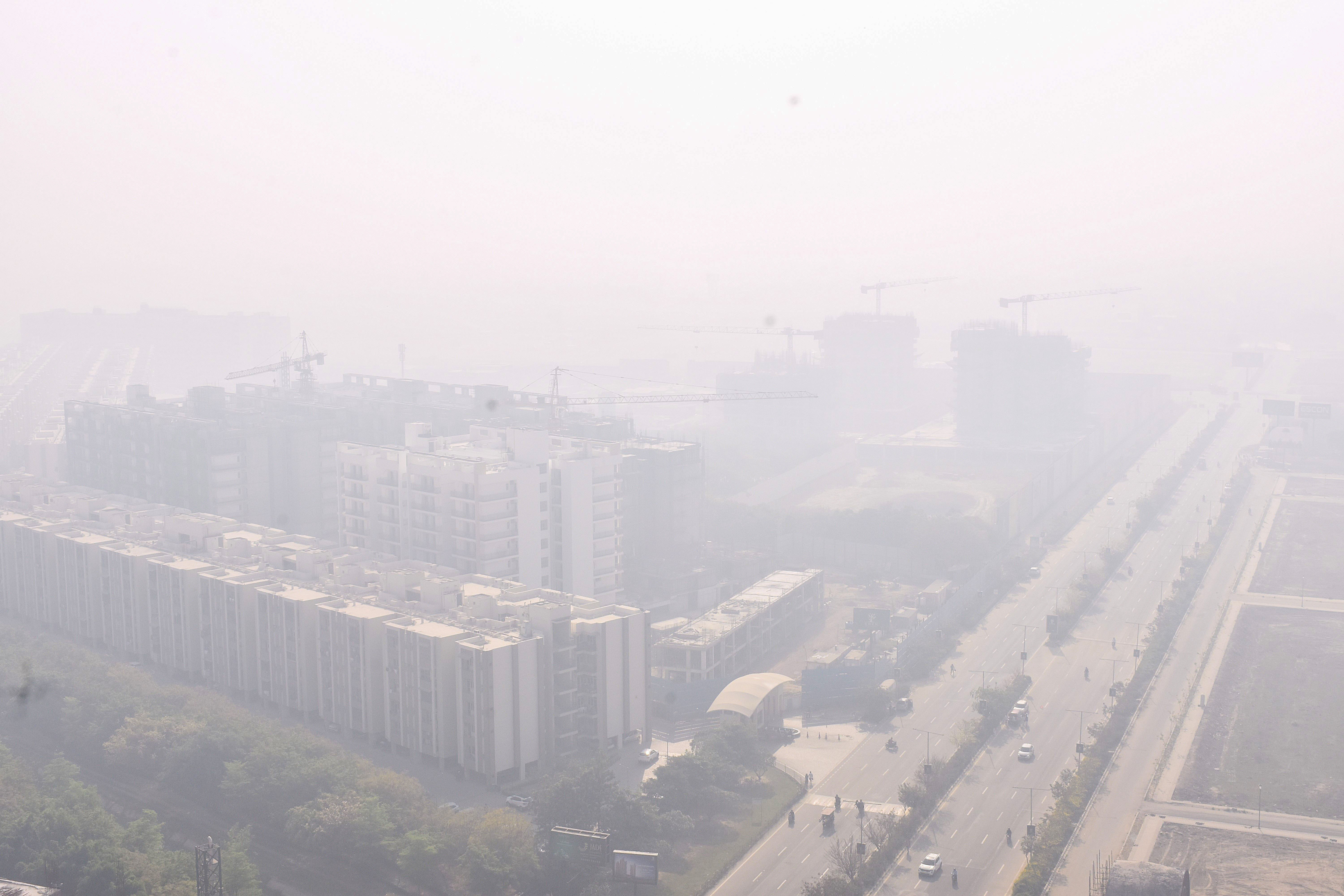 |
| Ghaziabad, India |
The global rankings by IQAir in its World Air Quality Report 2025, based on PM2.5 levels, place several countries in South Asia and Africa among the most polluted.
Pakistan, Bangladesh and Tajikistan top the list, followed by nations like Chad and Democratic Republic of the Congo.
Global rankings with India’s neighbours
India also features among the most polluted countries, alongside Kuwait, Uganda, Egypt and Uzbekistan.
- Pakistan
- Bangladesh
- Tajikistan
- Chad
- DR Congo
- India
- Kuwait
- Uganda
- Egypt
- Uzbekistan
Further down the rankings, Nepal is placed at 12, China at 20, and Sri Lanka at 42.
Indian cities
Global PM2.5 rankings show a heavy concentration of pollution across South Asia, with multiple cities from India and Pakistan dominating the list.
Most polluted regional cities:
- Loni, India
- Byrnihat, India
- Delhi, India
- Faisalabad, Pakistan
- Rahim Yar Khan, Pakistan
- Ghaziabad, India
- Lahore, Pakistan
- Sukkur, Pakistan
- Pattoki, Pakistan
- Mullanpur Dhaka, India
Gujarat
Several cities from Gujarat have ranked among the most polluted, with Vapi recording the highest PM2.5 levels at 48.6.
Ahmedabad, Ankleshwar, and Vatva (separately) also feature prominently on the list, highlighting rising air quality concerns across the state.
Meanwhile, Gandhinagar and Surat reported comparatively lower but still notable PM2.5 levels.
The data underscores the need for sustained pollution control measures as urban and industrial regions continue to face environmental pressure.
World Air Quality Report 2025
The IQAir World Air Quality Report 2025 offers a snapshot of global air pollution, covering 9,446 cities across 143 countries, regions and territories.
The report compiles PM2.5 data from over 40,000 monitoring stations and low-cost sensors worldwide. These are operated by a wide range of contributors, including government agencies, universities, non-profit organisations, private companies and citizen scientists.
PM2.5 levels in the report are measured in micrograms per cubic metre (μg/m³), aligned with the guidelines and interim targets set by the World Health Organization to ensure standardised reporting and clearer communication of health risks.
