




Domestic LPG price hiked by ₹29 in Delhi, commercial cylinders, fuel rates also rise
Updated: Jun 7th, 2026


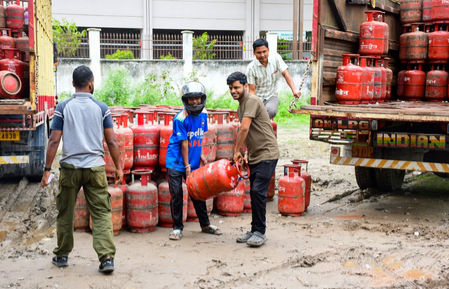
The cost of supplying a 14.2 kg cylinder has risen to over ₹1,600 amid the Middle East crisis and the under-recovery now absorbed on each domestic cylinder is about ₹700, the government said on Sunday, as domestic cooking gas prices were increased by ₹29 per cylinder.
According to Petroleum Ministry, the scale of this is visible in the fully market-priced commercial cylinder. The 19-kg cylinder used by hotels and restaurants sells in Delhi at ₹3,113.50, about ₹164 a kg, after five increases during the West Asia crisis.
The domestic household, by contrast, pays about ₹66 a kg after the revision. Commercial gas carries a higher rate of tax and larger margins, so it sits above the household’s cost-reflective level; even so, the import-linked cost of a domestic cylinder works out to over ₹1,600, the ministry informed.
As the conflict tightened the Strait of Hormuz, through which roughly a fifth of the world’s oil and a large share of India’s energy imports pass, most commercial traffic in the waterway was brought to a near halt.
About 54% of India’s LPG consumption was routed through the Strait, leaving the cooking-gas supply directly exposed to the disruption.
India was among the few that kept its energy cargoes moving. Through sustained coordination, Indian-flagged tankers continued to transit the Strait and discharge at Indian ports, carrying crude oil and successive consignments of LPG. There has been no shortage of any petroleum product, and bottling and distribution have continued normally across the network, said the ministry.
A range of measures was taken to secure supply through the disruption.
On the supply side, domestic LPG production was raised by more than 60%, from about 32 TMT to about 52 TMT, to offset the constrained imports.
Sustained coordination ensured that LPG-laden vessels continued to move out of the Strait of Hormuz — India brought out the largest number of such vessels of any country, and did so without paying any toll.
“Sourcing was simultaneously widened to suppliers across the world, including those that do not route through the Strait, such as the United States, Canada and Algeria, and available LPG was directed to households and to priority users such as hospitals and educational institutions,” according to the official statement.
On the demand side, consumers were encouraged to shift to piped natural gas (PNG) where available, easing the call on cylinders.
To protect this scarce domestic supply, anti-diversion enforcement was tightened in coordination with state governments and industry associations: OTP-based delivery verification was raised to about 90%, preventing the leakage of subsidised domestic LPG into the commercial market.
By the end of the last financial year, the cumulative under-recovery on domestic LPG reached ₹60,000 crore, up from ₹41,338 crore the year before, and the Union Cabinet has approved compensation of ₹30,000 crore to the marketing companies on this account.
“The subsidy is over and above this: Ujjwala consumers receive an additional ₹300 per cylinder credited directly to their bank account, reaching more than 10.58 crore connections,” said the ministry.
(This story was taken from syndicated feed and was only edited for style by Gujarat Samachar Digital team)
