





Delhi-NCR's air quality ‘very poor’ after Diwali fireworks
Updated: Oct 21st, 2025


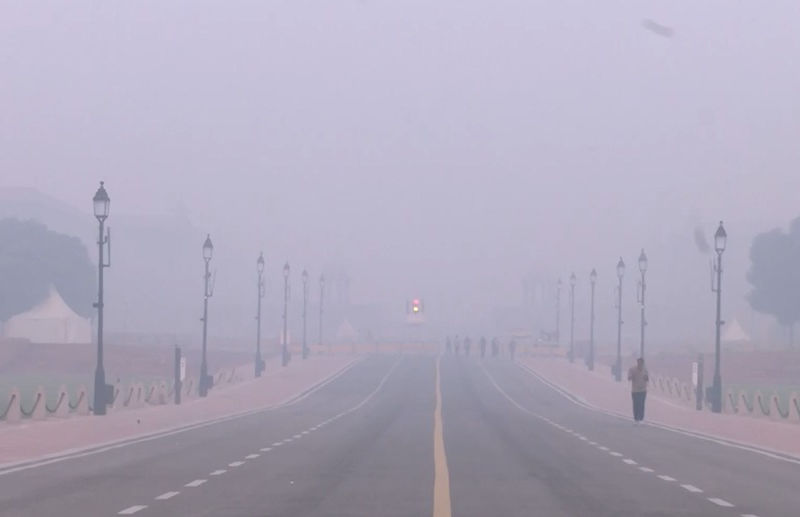
As per CPCB classifications, AQI between 0-50 is considered good, 51-100 satisfactory, 101-200 moderate, 201-300 poor, 301-400 very poor, and 401-500 falls under the 'severe' category.
Several Delhi localities reported alarming AQI levels: Narela (354), Najafgarh (334), Mundka (357), Mandir Marg (325), Major Dhyan Chand National Stadium (358), Lodhi Road (334), Jawaharlal Nehru Stadium (317), Jahangirpuri (404), ITO (345), Dilshad Garden (346), Dwarka Sector 8 (333), Mathura Road (341), Bawana (418), and Anand Vihar (352), according to data from the SAMEER app developed by the CPCB.
In Noida, the air quality also declined sharply, entering the 'very poor' range. Sector-wise AQI readings were Sector 125 (326), Sector 62 (307), Sector 1 (322), and Sector 116 (340).
Residents across the Delhi-NCR region woke up to toxic air on Monday morning, with pollution levels worsening following widespread bursting of firecrackers on Diwali eve. On Diwali morning at 8 am, Delhi recorded an AQI of 335, indicating a significant decline in air quality.
Gurugram also witnessed poor air quality. AQI levels were reported at 338 overall, with specific areas like Gwal Pahari (347), Sector 51 (346), and Vikas Sadan (320) recording similar trends.
Despite a ban on firecrackers in Delhi since 2020 to combat winter pollution, the Supreme Court this year allowed the use of green crackers from October 18 to 20, within limited time slots -- 6 am to 7 am and 8 pm to 10 pm. However, these rules were widely flouted, with firecrackers being used well outside the permitted windows.
In response to the deteriorating air quality, the Commission for Air Quality Management (CAQM) in Delhi-NCR activated Stage-II of the Graded Response Action Plan (GRAP), aimed at curbing pollution levels and safeguarding public health.
(This story was taken from syndicated feed and was only edited for style by Gujarat Samachar Digital team)