





Codename ‘Operation Sindoor’: Why PM Modi chose this name for India’s strike after Pahalgam attack
Updated: May 7th, 2025


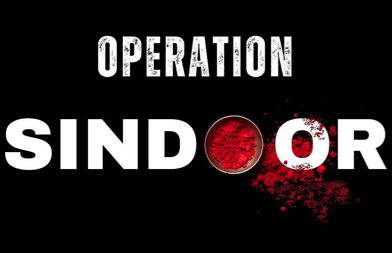 India carried out precision airstrikes late Tuesday night targeting nine terror sites across Pakistan and Pakistan-occupied Kashmir in response to the deadly April 22 attack in Pahalgam, Jammu and Kashmir.
The cross-border operation, codenamed ‘Operation Sindoor’, struck camps linked to Lashkar-e-Taiba and Jaish-e-Mohammed in Muridke, Bahawalpur, Kotli, and Muzaffarabad, according to the Indian government.
The name ‘Sindoor’—meaning vermillion, traditionally worn by married Hindu women—was reportedly chosen by Prime Minister Narendra Modi to honour the women widowed in the Pahalgam massacre.
The attack had claimed the lives of 28 people, mostly male tourists, who were allegedly identified by religion before being killed in front of their families. The image of bereaved women—many newly married—grieving beside their husbands’ bodies had struck a national chord.
An Indian Army visual released after the operation showed the word ‘Sindoor’ with one ‘O’ represented as a bowl of red powder, some of it spilled—a symbol of loss and justice. “This is the real tribute to my husband,” said Aishanya, wife of slain Navy officer Lt. Vinay Narwal, echoing the sentiment of many others.
Government sources said that PM Modi monitored the strike overnight, following his vow that those behind the Pahalgam killings would face unimaginable consequences. He later declared, “India will identify, track and punish every terrorist and their backers… Terrorism will not go unpunished.”
Pakistan confirmed the strikes in its Punjab province and in Pakistan-occupied Kashmir but has accused India of aggression. Meanwhile, Indian officials have termed the mission a “measured, symbolic and effective” response.