




‘Citizens’ right to privacy cannot be compromised’, Supreme Court to WhatsApp, Meta
Updated: Feb 3rd, 2026


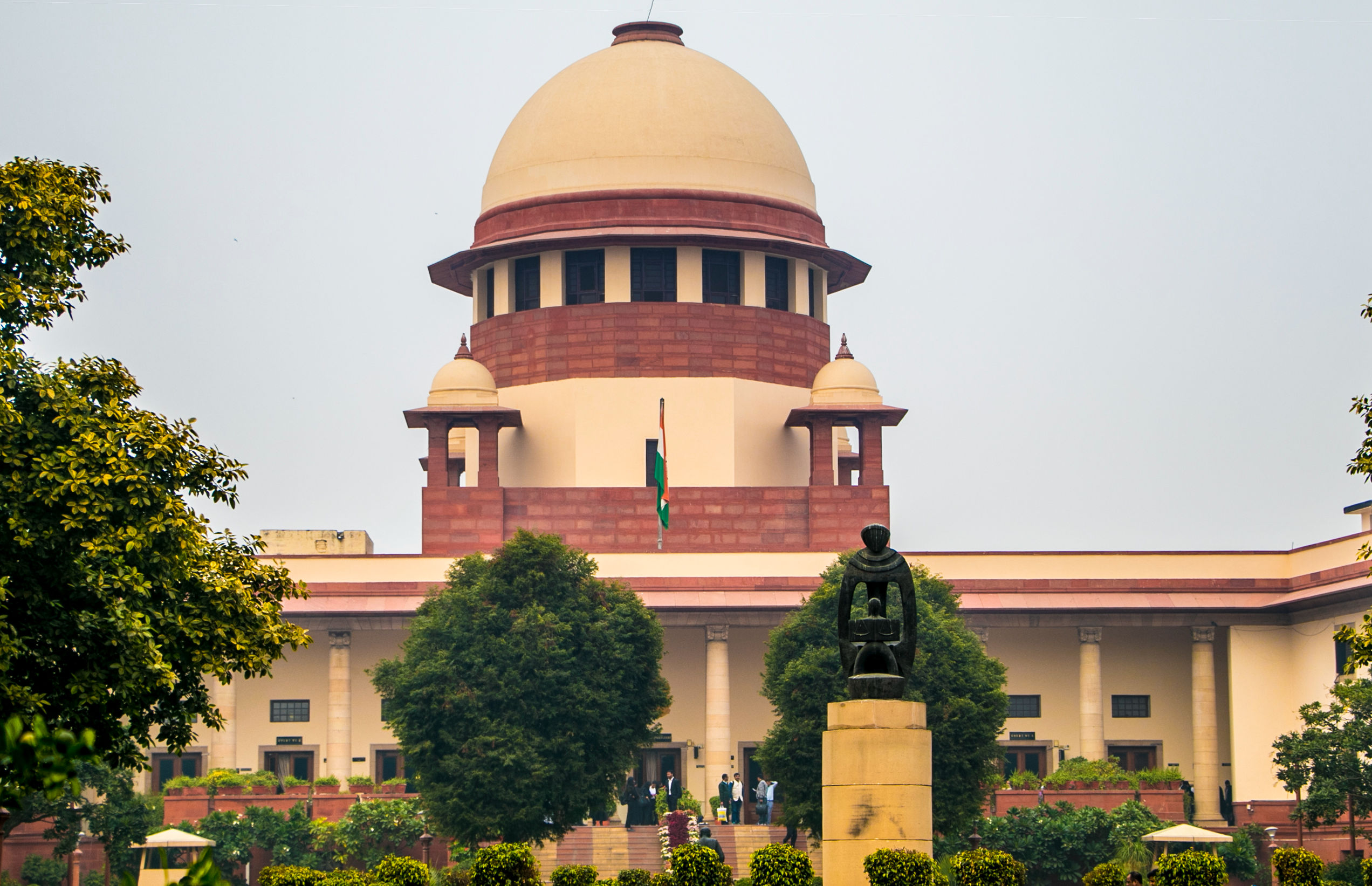
India’s Supreme Court on Tuesday sharply criticised WhatsApp and its parent company Meta over concerns related to the sharing of user data, asserting that citizens’ right to privacy cannot be compromised in the name of technology or business practices, as per reports.
The court allegedly advised the company to refrain from infringing on citizens’ privacy rights under the guise of data sharing.
The bench allegedly questioned Meta’s reliance on user consent and opt-out mechanisms, remarking that raising doubts over the very existence of an opt-out option amounted to “a decent way of committing theft of private information”. The court added that the privacy policies of major technology companies are often drafted in a manner that ordinary users cannot easily understand, casting serious doubt on the validity of informed consent, as per reports.
The apex court directed that the Ministry of Electronics and Information Technology (MeitY) be impleaded as a party to the proceedings. It said interim orders in the case would be passed on February 9.
The observations were made while hearing appeals filed by WhatsApp and Meta challenging an order of the Competition Commission of India (CCI), which had imposed a penalty over WhatsApp’s 2021 “take it or leave it” privacy policy. The policy had drawn regulatory scrutiny for allegedly forcing users to agree to broader data sharing within the Meta group in order to continue using the messaging service.
During the hearing, the court reiterated its concern that such policies effectively leave users with no meaningful choice. “Where is the question of opting out?” the bench asked, underscoring that data-sharing practices cannot be justified merely by citing user acceptance.
The dispute stems from WhatsApp’s 2021 privacy policy update, which the CCI examined suo motu and concluded that its “broad and vague” data-sharing provisions curtailed user choice and constituted an abuse of the platform’s dominant market position.
In November last year, the National Company Law Appellate Tribunal (NCLAT) upheld the CCI’s penalty of ₹213.14 crore on WhatsApp and Meta. A bench led by NCLAT chairperson Justice Ashok Bhushan and technical member Arun Baroka agreed with the regulator’s finding that the policy change compelled users to permit data sharing across Meta platforms to retain access to WhatsApp.
While the tribunal set aside the CCI’s direction restraining WhatsApp from sharing user data with Meta and its group companies for advertising purposes for five years, it upheld the core findings of abuse of dominance. The tribunal held that the “take-it-or-leave-it” nature of the policy imposed unfair and exploitative conditions on users, leaving them with no real alternative.
The Supreme Court will continue hearing the matter and is expected to issue interim directions next month.
