




Cigarettes, tobacco, pan masala prices rise as new ‘Sin Tax’ regime takes effect
Updated: Feb 1st, 2026


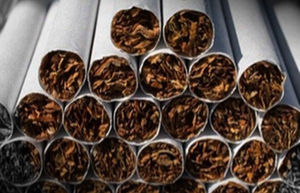
Cigarettes, tobacco products and pan masala have become significantly more expensive from February 1, 2026, following the government’s introduction of a revised taxation framework for so-called “sin goods”. The new regime imposes higher excise duties along with a newly introduced Health and National Security Cess, in addition to Goods and Services Tax (GST), as per reports.
The government reportedly said the move is aimed at discouraging the consumption of harmful products, tightening regulatory oversight, improving tax compliance and boosting revenue to support public health and national security initiatives.
Revised tax structure
Under the new framework, tobacco and pan masala products now attract GST at the highest applicable rate of 40%, up from the earlier 28%. The compensation cess, which had been levied since the introduction of GST in 2017, has been withdrawn, as per reports
In its place, the government has reportedly imposed additional excise duty on cigarettes and other tobacco products, while a Health and National Security Cess has been introduced specifically for pan masala manufacturers. The changes mark a shift away from the earlier structure of 28% GST plus compensation cess.
Higher excise on cigarettes
Cigarette taxation has been reportedly made more granular, with rates linked to length, filter type and design. Under the revised excise structure, short non-filter cigarettes of up to 65 mm will attract an excise duty of around ₹2.05 per stick, while short filter cigarettes of the same length will be taxed at approximately ₹2.10 per stick. Medium-length cigarettes will face excise duty of about ₹3.60 to ₹4 per stick, rising to around ₹5.40 per stick for longer variants. Premium and non-standard designs could attract excise of up to ₹8.50 per stick.
Industry experts expect manufacturers to pass on the increased tax burden to consumers. As a result, the retail price of cigarette packs that previously sold for around ₹18 could rise to ₹70–72, depending on the variant.
New valuation and compliance rules
The government has also revised valuation norms to curb tax evasion. GST on chewing tobacco, gutkha, jarda, khaini and similar products will now be calculated based on maximum retail price (MRP), replacing the earlier factory-cost-based valuation system.
Pan masala manufacturers will be required to comply with stricter regulatory measures, including mandatory fresh registration under the Health and National Security Cess law, installation of CCTV cameras at packing machines with footage retained for at least two years, and disclosure of the number and capacity of manufacturing machines to excise authorities, as per reports.
Impact on consumers and revenue
While the tax structure has been overhauled, officials said the overall tax incidence on pan masala is expected to remain at around 88%, broadly in line with previous levels. The government maintained that the revised system ensures consistently high taxation on harmful products while creating a more predictable and transparent revenue stream.
With the new regime now in force, consumers are likely to face sharply higher retail prices, even as authorities anticipate better compliance, reduced tax leakage and improved public health outcomes.
