




Bar Council of India halts new law colleges for three years over quality concerns
Updated: Aug 22nd, 2025


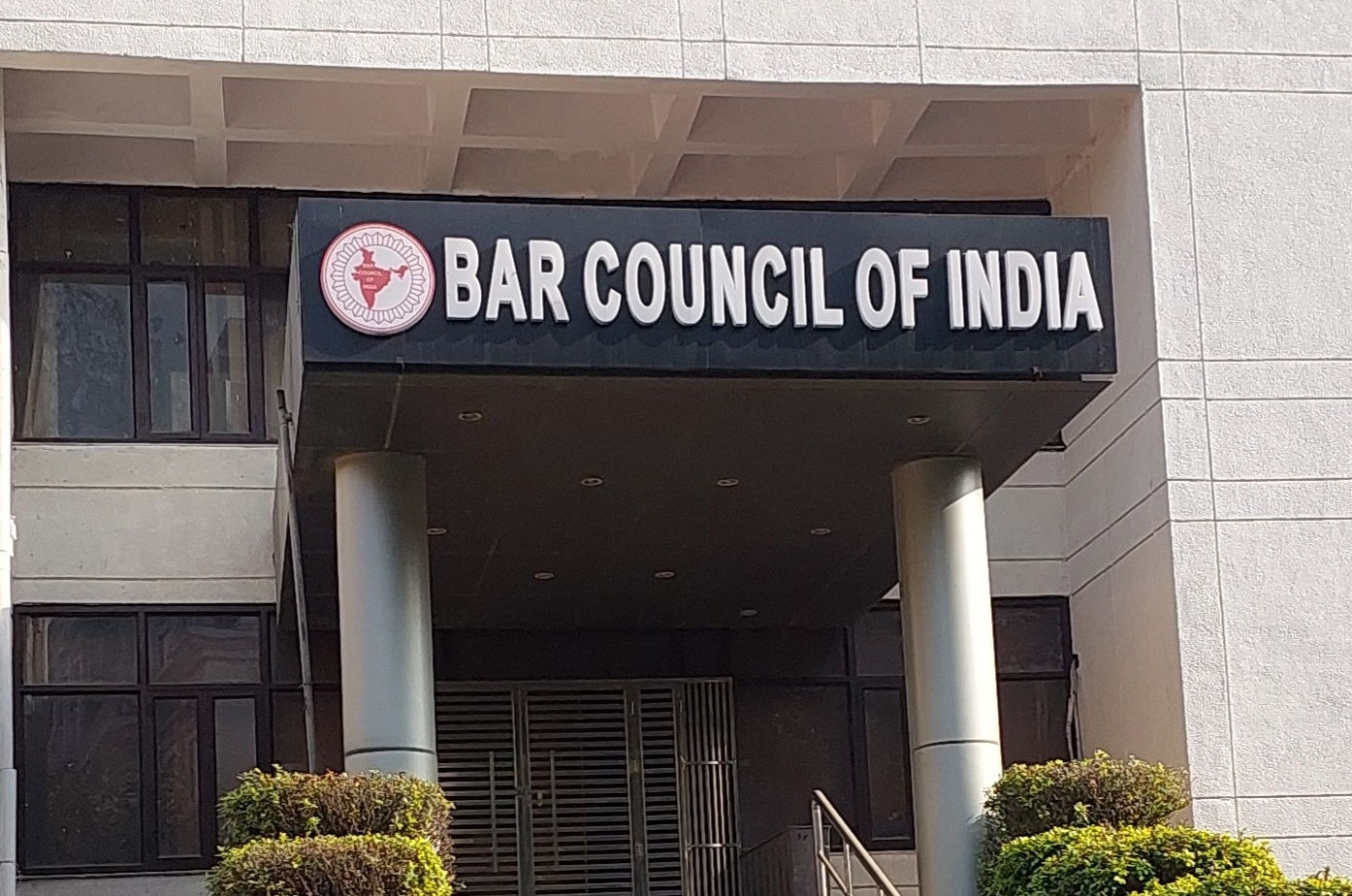 |
| Bar Council of India (image: IANS) |
The Bar Council of India (BCI) has announced a three-year moratorium on the establishment of new law colleges across the country, effective from August 14, 2025. The decision, it said, was prompted by the steady decline in the quality of legal education and the trend of universities and state governments granting approvals without adequate checks.
Moratorium on new law colleges and courses
Under the moratorium, no institution will be permitted to apply for approval to establish a new law college or legal education centre for the next three years. During this period, existing institutions will also not be allowed to introduce additional classes, courses, or streams without prior clearance from the Council.
According to the BCI, there are already around 2,000 recognised law colleges operating in India. This number, the Council noted, is sufficient to meet the present demand for legal education, and there is no immediate need to expand.
Concerns over quality of legal education in India
The Council emphasised that the ban was necessary to address the decline in standards caused by what it described as “indiscriminate” approvals. It said that state governments were issuing no-objection certificates (NOCs) and universities were granting affiliations without conducting proper inspections or verifying infrastructure, faculty, or library facilities.
The BCI has also raised alarm over increasing privatisation and malpractice in the legal education sector. It pointed out that many colleges are being opened without adequate staff or qualified faculty members, which has a direct impact on the quality of teaching and the competence of future law graduates.
“States are granting NOCs and universities are providing affiliations without any verification,” the Council observed, underlining the urgent need to restore oversight and accountability in the process of approvals.
Compliance checks and inspections to be strengthened
During the three-year period, the Council has directed the Union government, state governments, universities, and private institutions not to send any new proposals or applications. Instead, the focus will be on strengthening existing institutions through stricter compliance checks.
The BCI said that surprise inspections will be conducted at law colleges currently in operation. These institutions will be required to undergo compliance audits to ensure that they meet the standards laid down under the Council’s regulations. Colleges found violating BCI norms or failing to maintain standards risk having their recognition withdrawn.
Exceptions in underserved and remote areas
While the moratorium applies to most proposals, the Council clarified that certain exceptions may be considered in special circumstances. These include districts where no law college exists, remote or tribal regions, and areas with significant populations from Scheduled Castes, Scheduled Tribes, or other backward classes.
Institutions designed specifically for differently-abled students may also be taken up for consideration during this period. However, in all such cases, the BCI stressed that approvals would only be granted if institutions obtain a valid NOC from the respective state government and comply fully with the required regulatory framework.
Pending applications will continue under three-step scrutiny
The Council has also addressed the issue of applications that have already been submitted before the moratorium came into effect. These will not be rejected outright but will be assessed under a stricter three-step scrutiny process.
First, the applicant institution must secure an NOC from the concerned state government or ministry, establishing that there is a genuine need for a new law college in the area. Second, the affiliating university must certify that the proposed institution meets the Bar Council’s 2008 Minimum Standards of Legal Education, including requirements for infrastructure, faculty, library facilities, and governance structures.
Finally, the BCI itself will conduct a detailed inspection of the institution before granting final approval. The Council said that only those proposals which successfully pass all three stages will be considered for recognition.
