





All retired high court judges to get equal pension under ‘One Rank, One Pension’: Supreme Court
Updated: May 19th, 2025


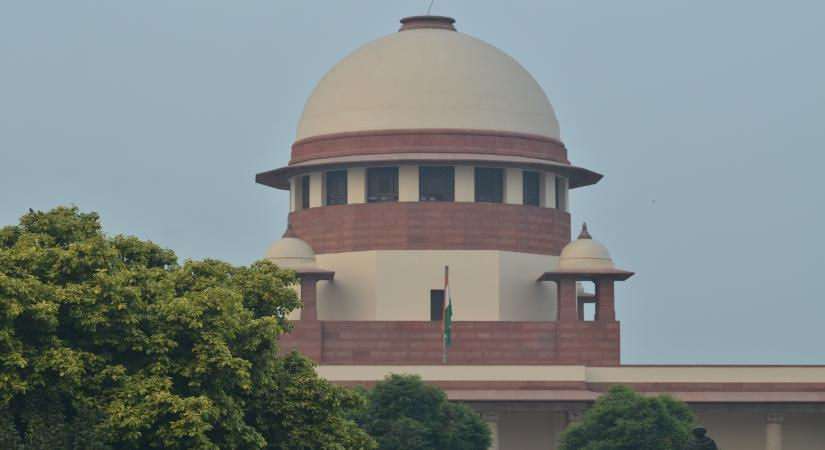
The Supreme Court on May 19 delivered a historic verdict on the pension of retired high court judges. A bench headed by Chief Justice of India (CJI) B R Gavai ordered the implementation of ‘One Rank, One Pension’ for retired high court judges.
The bench said that all retired high court judges are entitled to full and equal pension. Whatever the source of their initial appointment, whether they became judges from the district judiciary or from the bar, irrespective of the date on which they were appointed, they should be given a pension of at least ₹13.65 lakh per annum.
The Supreme Court has issued the following directions to the Central Government—
- Retired chief justices should be given full pension of ₹15 lakh per annum
- Other retired judges of high courts (including Additional Judges) should be given a pension of ₹13.5 lakh per annum.
- The principle of ‘One Rank One Pension’ shall be equally applicable to all retired judges, whether they have come from the Bar or from the District Judiciary.
- In case of high court judges coming from the District Judiciary, they shall be entitled to full pension even if there is a break in service.
- Judges who join the District Judiciary after the implementation of the New Pension Scheme (NPS) and subsequently become high court Judges shall also be given full pension. The entire amount of their NPS contribution and dividend thereon shall be refunded by the State Government.
- In case of death of a serving judge of the high court, his family members will get family pension, whether he is a permanent judge or an additional judge.
The CJI said, “Once a person is appointed to a judicial post, the source of his entry is of no importance. The dignity of his constitutional office demands that all judges be given equal pension.”
“To ensure the independence of the judiciary, it is important that all judges get equal final benefits even after retirement. When all judges get equal treatment during service, any discrimination in benefits after retirement will be a violation of Article 14 of the Constitution,” he added.