




After Lok Sabha, Rajya Sabha passes Online Gaming Bill
Updated: Aug 21st, 2025


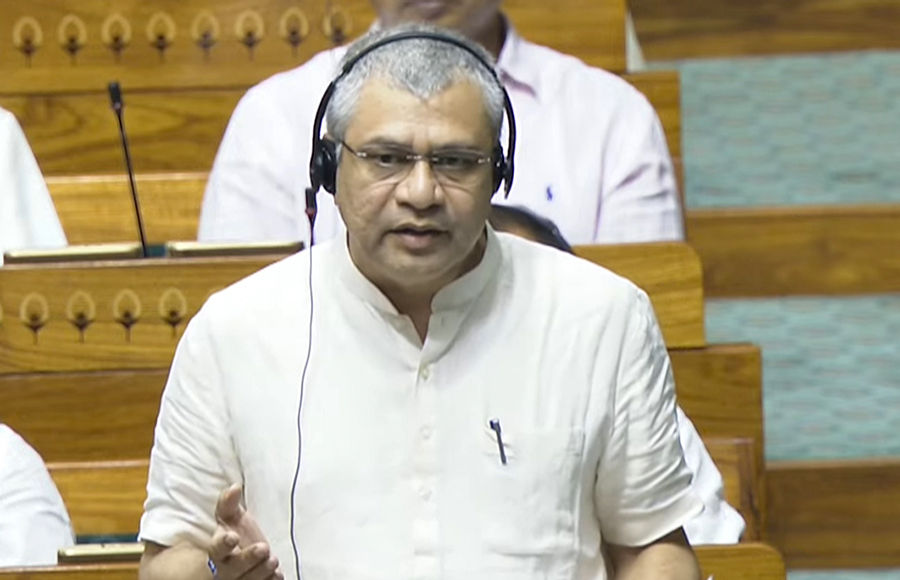
After the Lok Sabha cleared the Online Gaming Bill on Wednesday, the Rajya Sabha has now also passed the legislation, paving the way for a regulatory framework for India’s booming digital gaming sector.
The Lok Sabha had passed the bill without any debate, amid uproar from the Opposition over a separate bill introduced by Union Home Minister Amit Shah regarding the disqualification of the Prime Minister, Chief Ministers, and state ministers convicted of serious crimes with sentences exceeding five years, along with concerns over the voter list issue.
Introduced by Union Minister for Electronics and Information Technology Ashwini Vaishnaw, the Online Gaming Bill seeks to regulate online gaming while imposing strict restrictions on money-based gaming applications. Despite Speaker Om Birla’s repeated appeals for discussion–including an offer of 18 hours of floor time–the Opposition refused to cooperate and staged a noisy walkout, leaving the bill to be passed without deliberation.
In his address, Vaishnaw underlined the importance of creating a structured framework for the rapidly expanding digital gaming industry. He divided the sector into three categories: e-sports, social games, and online money games. While the first two were credited with promoting logic, learning, and entertainment, the third–online money games–was criticised for encouraging addiction, financial ruin, and fraud.
The minister referred to a report from Karnataka that linked 32 recent deaths to incidents associated with money gaming. He also cited the World Health Organisation’s recognition of gaming disorder as a psychological condition.
The bill defines an ‘online money game’ as any game played by depositing money or stakes with the expectation of monetary returns, regardless of whether the game is based on skill, chance, or both. E-sports are explicitly excluded from this definition.
The legislation prohibits the offering, operation, facilitation, advertisement, and financial transactions related to such games. Violations may result in imprisonment of up to three years and fines of up to ₹1 crore.
Vaishnaw emphasised that the bill prioritises the welfare of the middle class, in line with Prime Minister Narendra Modi’s commitment to protect vulnerable groups from exploitative digital platforms. It also proposes the establishment of a National Online Gaming Authority to monitor compliance, foster innovation, and ensure responsible use of technology.
The passage of the bill in both Houses has sparked a broader debate on digital ethics, consumer protection, and the future of India’s gaming economy.
(With inputs from syndicated feed)
