





60% kids under-5 in India are micronutrient deficient, 40% anaemic: AIIMS
Updated: Jan 19th, 2024


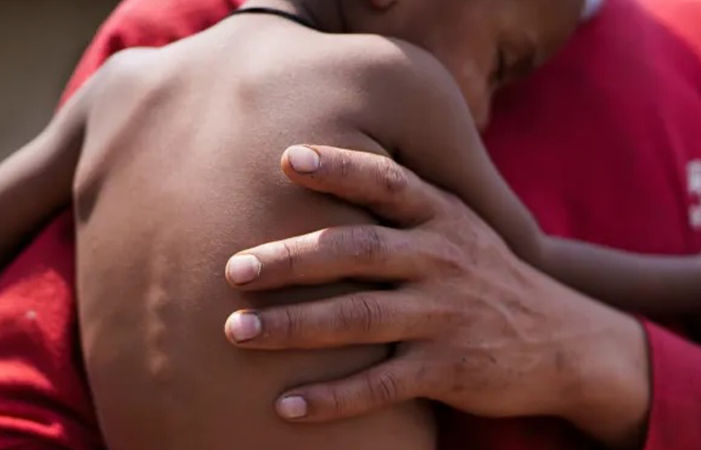 |
| Micronutrient Deficiency (img: IANS) |
Six out of 10 children under-5 years of age in India suffer micronutrient deficiencies, and 4 in 10 have anaemia, according to a large study conducted by researchers at the All India Institute of Medical Sciences (AIIMS).
The study, based on Comprehensive National Nutrition Survey (CNNS, 2018), aimed to estimate the prevalence of anaemia, and anaemia with micronutrient deficiencies (iron/ vitamin B12/ folic acid) and their determinants among children aged 12-59 months in India.
Out of the total of 11,237 children included in the study, 40.5% were anaemic, 30.0% had anaemia with micronutrient deficiencies and 60.9% had micronutrient deficiencies with or without anaemia.
Lower educational status of the mother (mothers without formal schooling), consumption of less than 100 iron-folic acid tablets during pregnancy, iron deficiency and zinc deficiency were all associated with anaemia in children, said the researchers in the study published in the journal PLOS Global Public Health.
Among anaemic, the children from scheduled tribe, and those following unsafe child faeces disposal practices had higher chance of having micronutrient deficiency.
“One third of children aged 12-59 months had anaemia with micronutrient deficiency (iron/ folic acid/ vitamin B12). More than half of children had micronutrient deficiencies irrespective of anaemia,” said researchers at AIIMS, New Delhi.
“Micronutrient deficiencies, antenatal IFA intake, safe hygiene practices need to be strengthened to leave no stone unturned in control of anaemia among under-five children in India,” he added.
Anaemia as a national and global issue
Globally, anaemia is a major public health concern affecting 1.62bn people. The Global Burden of Disease 2017 estimates that around 45% of the population in India are anaemic.
As per the National Family Health Survey 5 (NFHS 5: 2019-21), India reported a high burden of anaemia in under-five age groups with an estimated prevalence of 67.1%.
The World Health Organization (WHO) classifies anaemia as a severe public health problem when the prevalence of anaemia is more than 40% in the country.
“The high prevalence of anaemia indicates that anaemia is a serious public health problem among children aged 12 to 59 months in India. Micronutrient deficiency and anaemia are one of the major public health concerns and calls for immediate action,” the researchers said.
Iron and folic acid (IFA) supplementation, which is the mainstay of anaemia control strategy among under-five children, is also the major focus of the government’s Anaemia Mukt Bharat (AMB).
“Consumption of IFA during pregnancy, following safe water, sanitation and hygiene (WASH) practices, control of infections management of micronutrient deficiencies are crucial to control anaemia and the interventions should be implemented from infancy onwards to act on time. Hence, implementing AMB intervention strategies in all the states of India and reaching the last mile needs to be ensured to combat this public health challenge,” the researchers said.
(Source: IANS)
- Edited for style