




Top 10 darkest places on Earth offering clearest views of night sky
Updated: Jun 1st, 2026


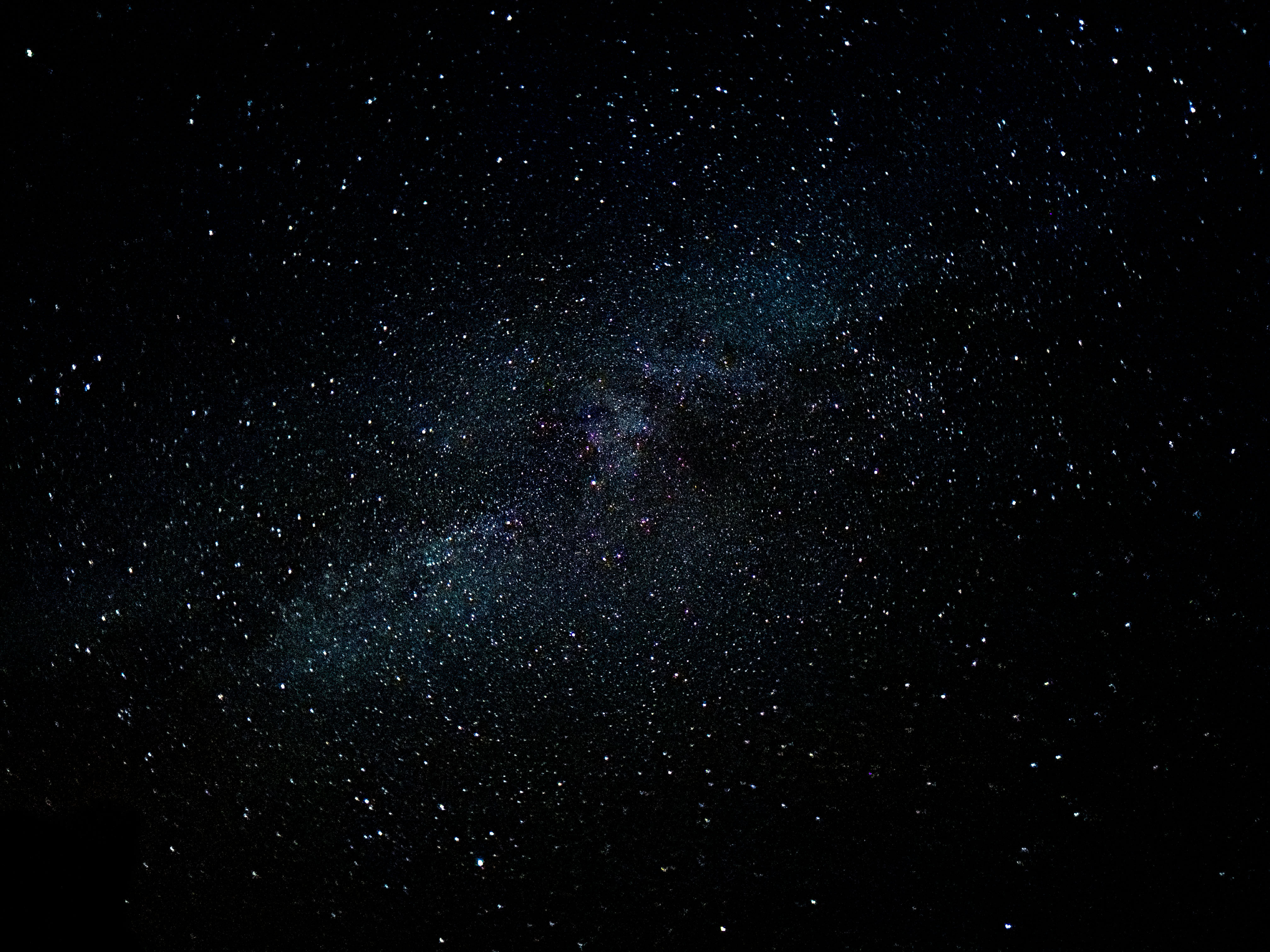
A large number of the global population is now living under light-polluted skies, which makes it difficult to see anything beyond the brightest stars from many urban areas. Regardless of it, there are some remote deserts, mountains, forests, and protected reserves that offer night sky views. These locations provide some of the clearest views of planets, constellations, meteor showers and Milk way.
The International Dark Sky Places (IDSP) program certifies communities, parks, and protected areas around the world that preserve dark skies through responsible lighting policies and public education initiatives.
According to the IDSP, more than 160,000 square kilometres of protected land and night skies are spread across 22 countries on six continents. The list continues to grow each year as new locations earn certification.
Top 10 darkest places on Earth Atacama Desert, Chile
Located in northern Chile, the Atacama Desert is widely regarded as the gold standard for astronomical observation. It is also one of the driest places on Earth, with some regions receiving virtually no rainfall, creating ideal conditions for stargazing.
Namib Desert, Namibia
One of the world's oldest deserts, the Namib Desert is among Africa's premier stargazing destinations. Its low population density, arid climate, and minimal urban development produce exceptionally dark skies. Visitors can clearly observe the southern celestial hemisphere, including the Large and Small Magellanic Clouds, two dwarf galaxies visible to the naked eye.
Mauna Kea, Hawaii, United States
Rising 4,207 metres above sea level, Mauna Kea offers some of the clearest astronomical viewing conditions on the planet. Its elevation places it above much of the Earth's cloud cover and atmospheric water vapour, providing astronomers with a remarkably stable and transparent view of space.
Aoraki Mackenzie International Dark Sky Reserve, New Zealand
Situated on New Zealand's South Island, the Aoraki Mackenzie International Dark Sky Reserve spans more than 4,300 square kilometres. Strict outdoor lighting regulations help preserve its pristine skies, making it one of the best places to observe the Milky Way.
Jasper Dark Sky Preserve, Canada
Located within Jasper National Park in Alberta, Jasper Dark Sky Preserve is one of the largest accessible dark-sky preserves in the world. Its combination of spectacular mountain scenery and minimal light pollution creates ideal conditions for viewing stars, planets, and meteor showers.
Galloway Forest Park, Scotland
Despite being located in the United Kingdom, Galloway Forest Park remains one of Europe's darkest locations. Designated as a Dark Sky Park, it offers remarkably clear views of the cosmos. Under favourable conditions, visitors can see more than 7,000 stars, compared to only a few hundred in heavily light-polluted cities.
Kerry International Dark Sky Reserve, Ireland
Located along Ireland’s southwest coast, the Kerry International Dark Sky Reserve is recognised as one of the world's leading dark-sky destinations. Its remote setting, rugged landscape, and low levels of artificial lighting provide outstanding conditions for viewing planets, galaxies, and the Milky Way.
Tibetan Plateau
The Tibetan Plateau offers high-altitude viewing conditions comparable to those of professional observatories. Thin air, low humidity, and limited development contribute to exceptionally dark skies and excellent astronomical visibility.
Cherry Springs State Park, Pennsylvania, United States
Cherry Springs State Park is one of North America's most famous destinations for amateur astronomers. Surrounded by forests and located far from major urban centres, it experiences extremely low levels of light pollution, making it ideal for observing galaxies, nebulae, and star clusters.
Australian Outback, Australia
Much of the Australian Outback remains sparsely populated, making it one of the darkest inhabited regions on Earth. Its vast open landscapes and minimal artificial lighting provide near-perfect conditions for stargazing throughout the year.
