




Life under polar night: How Norway’s Longyearbyen endures 120 days without sunlight
Updated: Jan 25th, 2026


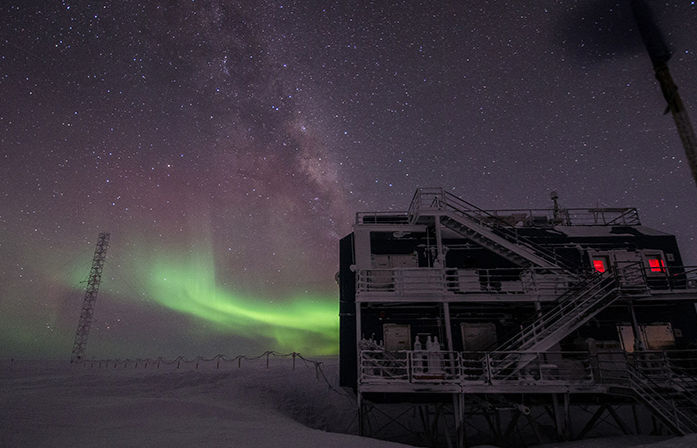
There is a place on Earth where the sun does not rise for nearly four months. In Longyearbyen, a remote town in Norway’s Svalbard archipelago, daylight disappears in November and does not return until February; scientists describe it as a “polar night”.
For around 120 consecutive days, the town’s 2,500 residents live in continuous darkness, with the sky illuminated only by stars and the shimmering Northern Lights. Whether it is morning or the middle of the night, the scene remains unchanged.
In the biting cold and near-total darkness, residents often carry rifles when moving around outside as a precaution against polar bears that roam the surrounding wilderness.
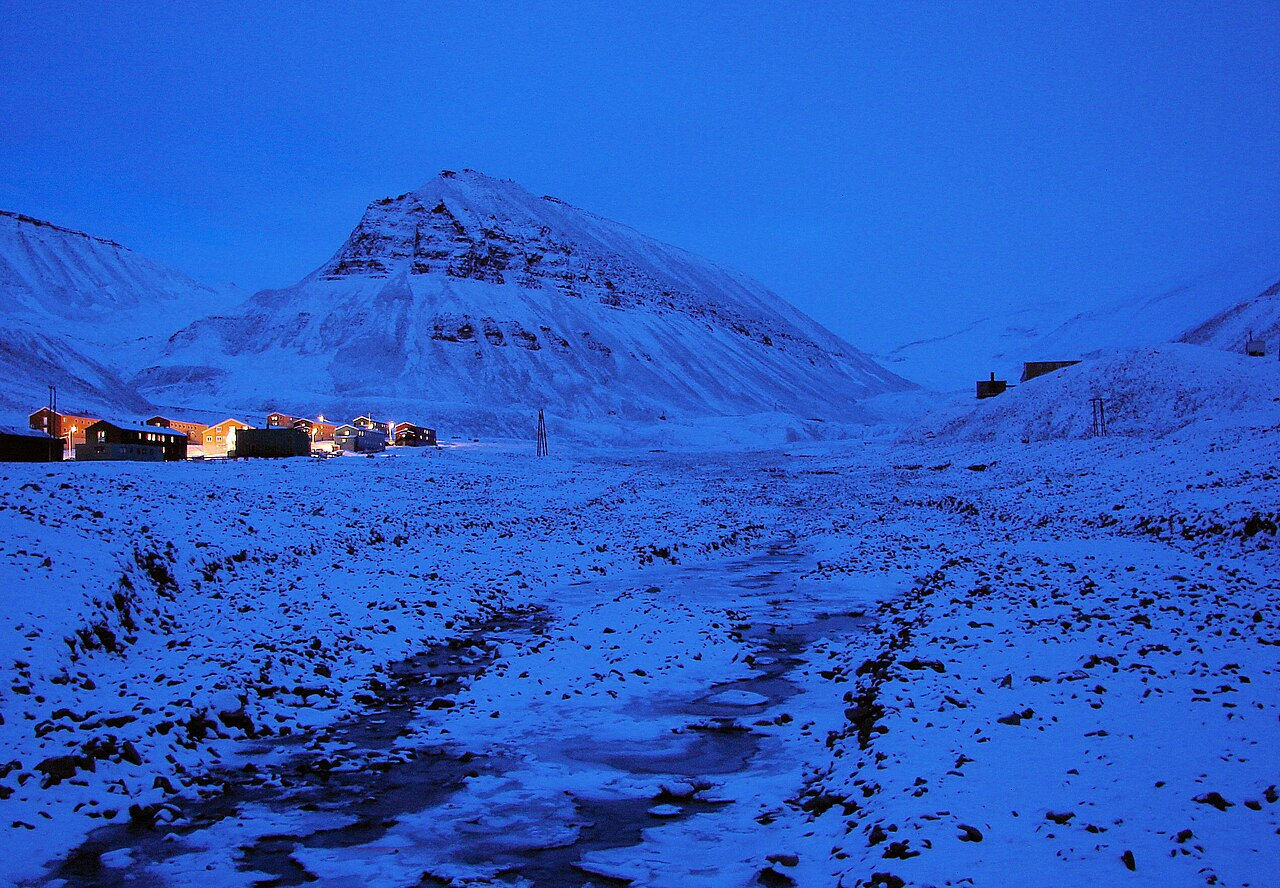
Daily life in this Arctic town is shaped by the absence of sunlight. While most of the world measures time by sunrise and sunset, residents of Longyearbyen rely solely on the clock.
To counter the physical effects of prolonged darkness, people commonly take vitamin D supplements and use special light-therapy lamps designed to mimic daylight.
Rather than viewing the darkness as a hardship, many residents embrace it as a distinctive way of life. Homes are lit with candles, coffee is consumed in abundance, and evenings are spent wrapped in woollen blankets, enjoying music, board games and shared meals. Community dinners play a central role in combating isolation during the long winter months.
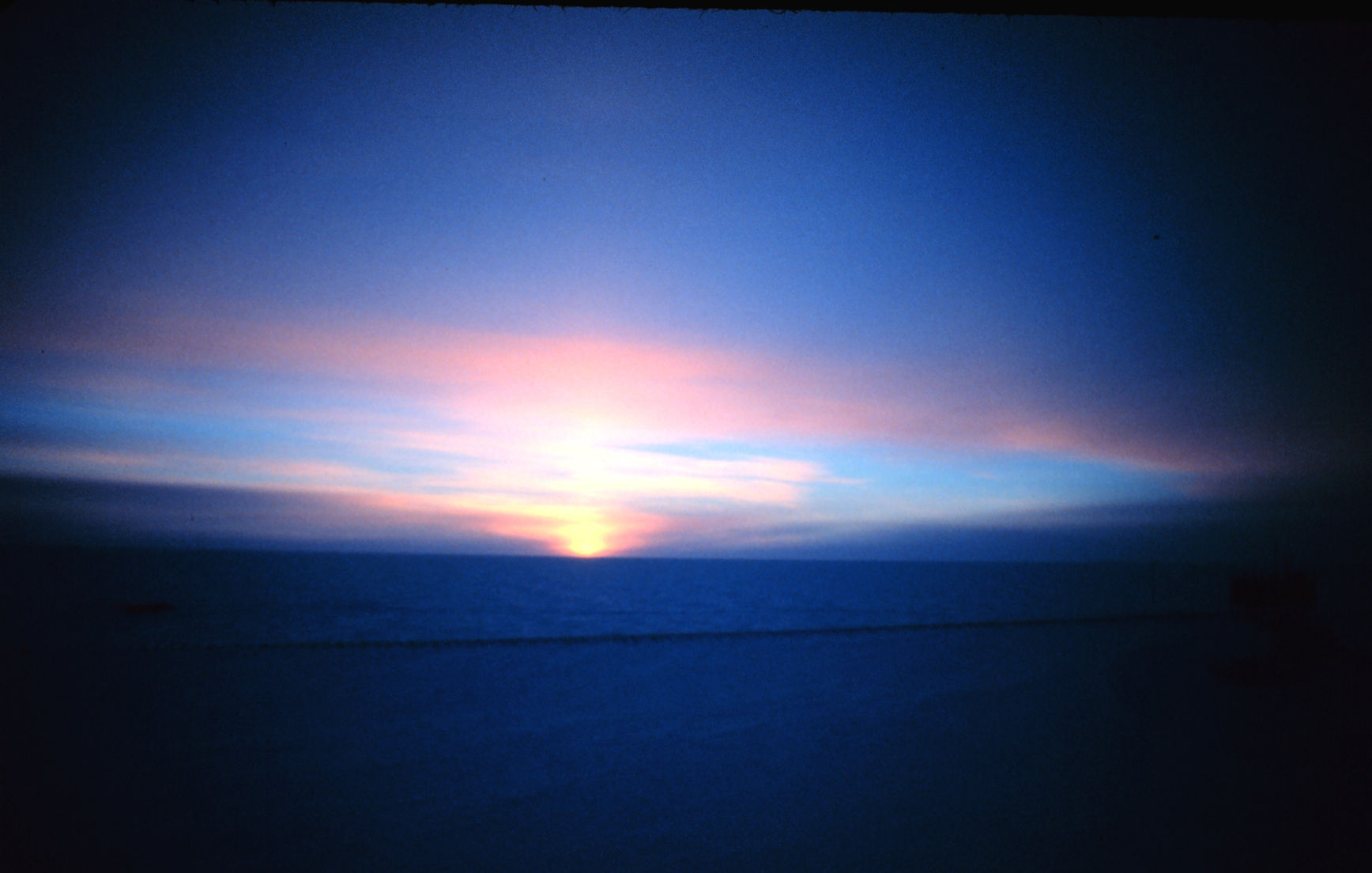
Longyearbyen is home to people from more than 50 countries, most of whom have arrived to work in research or mining. Despite the town’s cultural diversity, residents describe a strong sense of community, which becomes even more pronounced during the polar night.
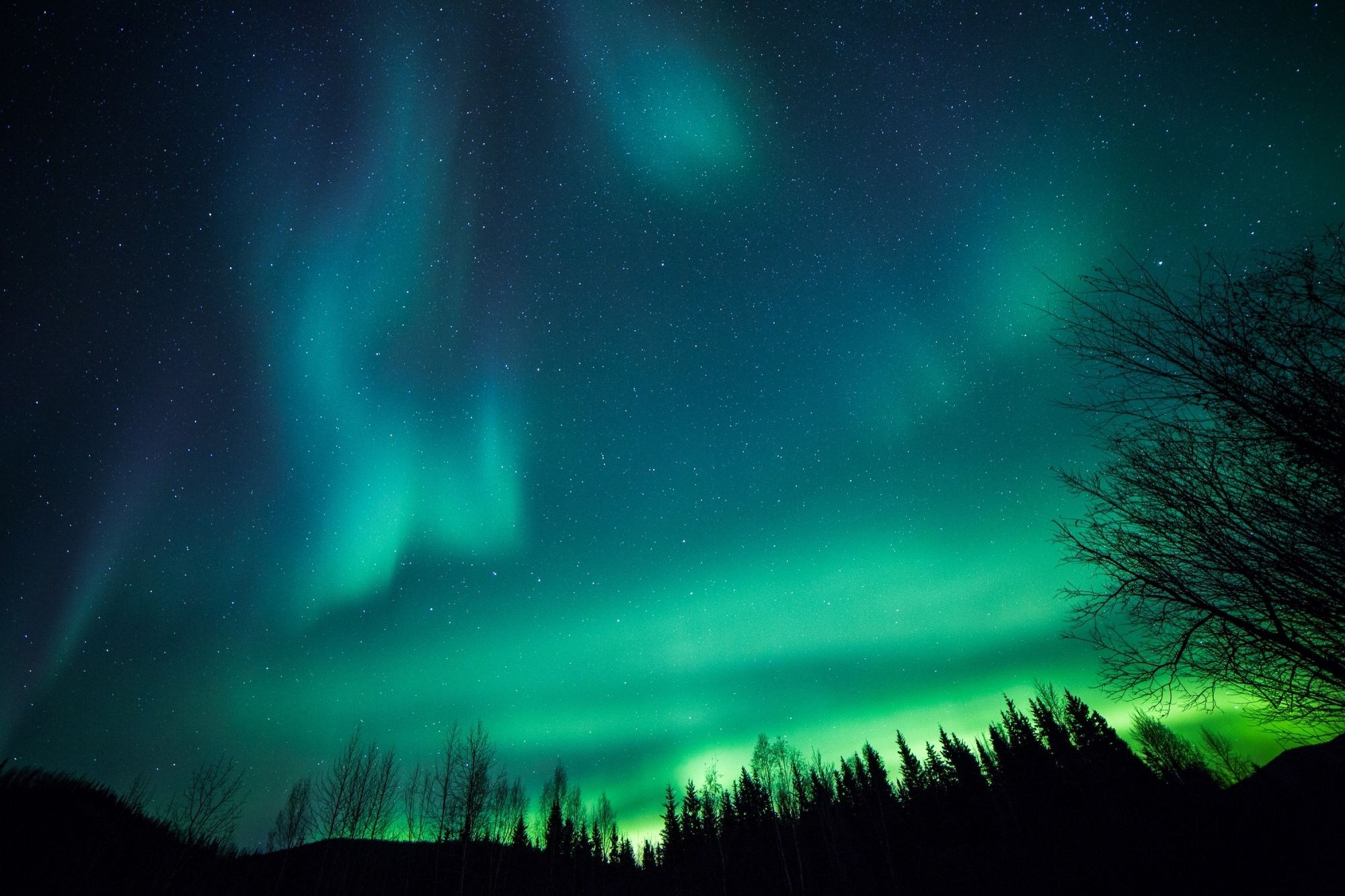
Social activity often increases in winter, with locals travelling by snowmobile across blue-tinged snowfields to watch the Northern Lights, an experience considered as routine as an evening walk elsewhere.
Cultural events also help break the silence of the season. Music festivals such as Polar Jazz are organised during the darkest months, bringing warmth and energy to the town.
The most anticipated moment arrives in late February, when the sun finally reappears. As the first ray of sunlight strikes the steps of an old hospital building after four months of darkness, residents gather to celebrate Solfestuka, or Sun Festival Week. For many, the occasion is deeply emotional, symbolising resilience and renewal.
Svalbard is often known globally for its Doomsday Seed Vault, but Longyearbyen’s true distinction lies in its people, who have learned to transform one of nature’s most extreme challenges into a shared celebration of community and light.
