

From Randheja to London Fashion Week: Gujarat’s Rabari Embroidery Takes the Global Stage

Summarized by AI; it may make mistakes. Check important info
Summarized by AI; it may make mistakes. Check important info

Traditional Rabari embroidery from Gandhinagar’s Randheja has reached the London Fashion Week 2026 runway, with 25 designer garments showcasing Gujarat’s craft to an international audience.
Sonal Desai, a member of the Maldhari community, presented her Summer 2027 collection, BECOMING, under her label FLAPPER6 at Fashion Scout’s Protein Studios in central London on September 20, 2026.
The collection combined Rabari embroidery – a 700-year-old craft – and Jeko beadwork, which is 200-year-old, with contemporary designs, bringing the community’s traditional craftsmanship into modern fashion.
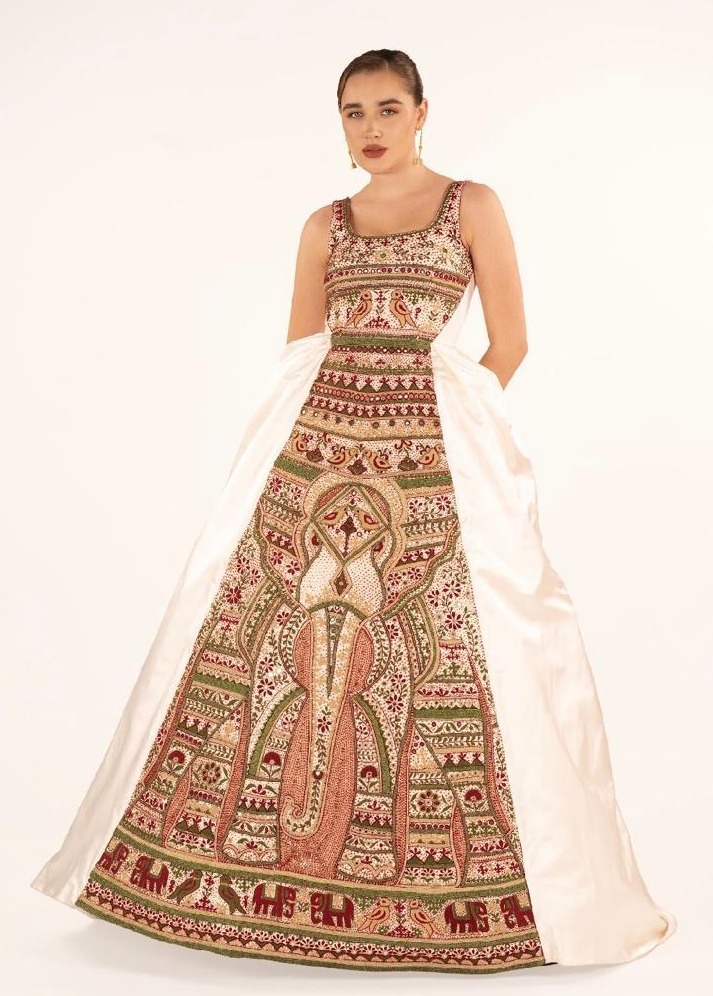
The garments featured distinctive patterns, bold colour combinations and intricate hand embroidery rooted in the cultural identity of the Maldhari community.
‘This Is Our Cultural Heritage and Identity’
Desai described presenting the community’s embroidery at London Fashion Week as a moment of pride for her, the Maldhari community and India.
“It is a matter of immense pride for me, our entire community, and our country to present our Maldhari community's embroidery art and receive global recognition at London Fashion Week, one of the five most prestigious fashion shows held worldwide,” she said.
“I dedicate this international achievement to my community. Rabari embroidery is not just work on fabric; it is our rich cultural heritage and identity.”
From Household Work to the Global Fashion Stage
Behind the intricate embroidery are women who balance domestic responsibilities with their work as artisans. Desai said the women working with her traditionally spend “much of their time at home managing household duties and have also begun contributing their skills to her fashion work”.
Their involvement offers a potential route to greater economic participation, allowing women to apply their traditional embroidery skills to designer garments while continuing to manage responsibilities at home.
What Makes Rabari Embroidery Distinctive?
Rabari embroidery is known for its bold colours, elaborate mirror work and distinctive stitches. Artisans outline patterns with chain stitch before adding mirrors and decorative stitches. The bakhiya backstitch is also used to decorate seams on traditional women's blouses and men's jackets.
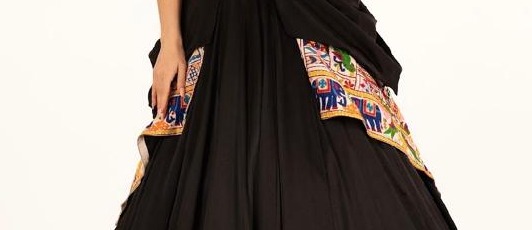
Its motifs draw on the community's everyday life and cultural beliefs. Unlike other Kutch embroidery styles, Rabari work has its own visual language, shaped by its use of mirrors, characteristic stitching and expressive patterns.
What’s Next?
For women working with Desai, the larger question is whether global attention can lead to regular work and more reliable incomes. Greater demand for hand-embroidered garments could create scope for additional artisans to participate, provided the work is supported by fair compensation and sustainable production arrangements.
Desai’s London showcase has put Rabari embroidery before an international audience. Turning that exposure into lasting opportunities for the women behind the craft will be the next test of whether global fashion can support not only the preservation of Gujarat’s heritage but also the livelihoods of the people who keep it alive.


