




US think tank flags risk of renewed India-Pakistan conflict among top global security threats for 2026
Updated: Dec 30th, 2025


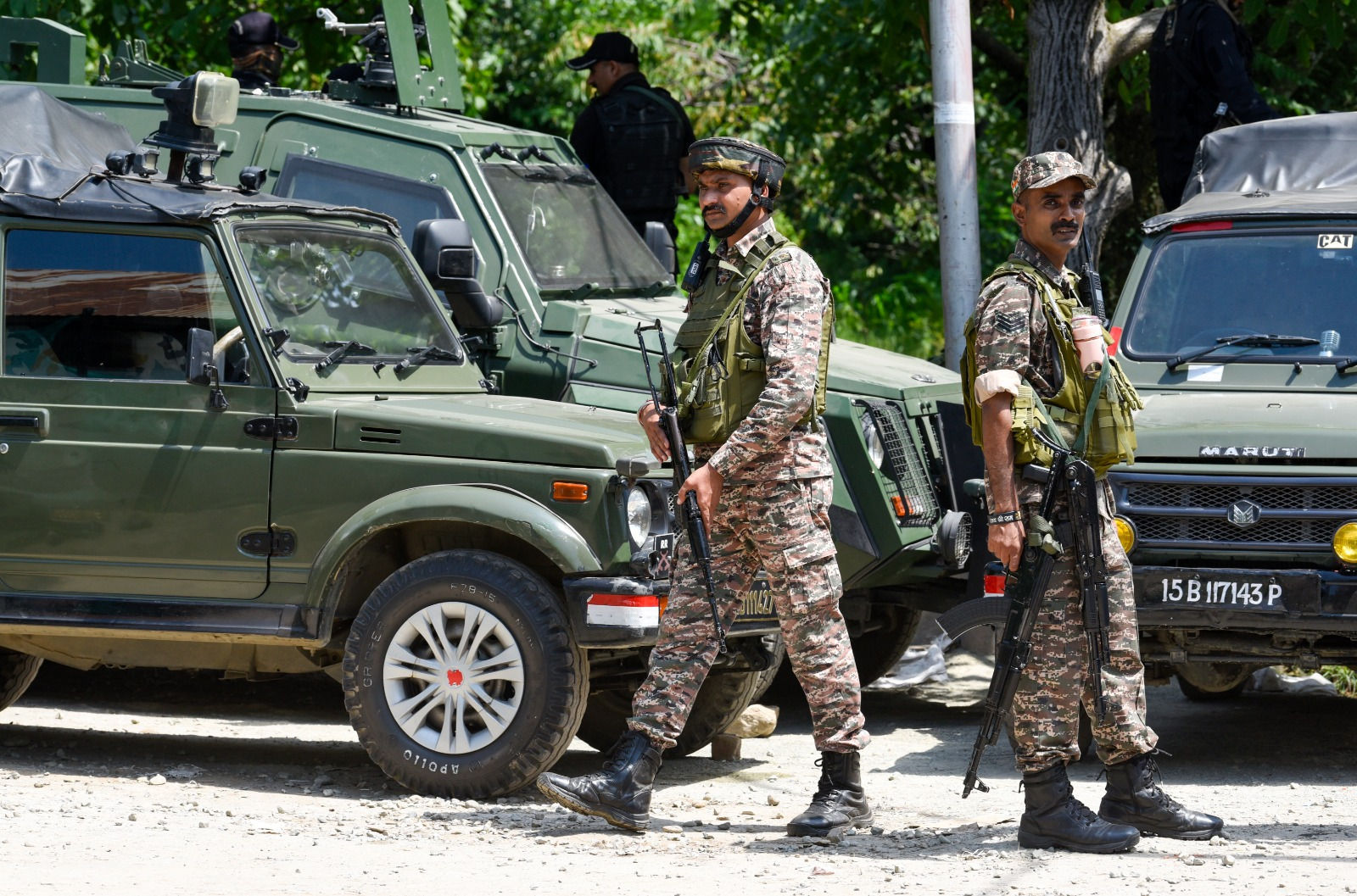
The Council on Foreign Relations (CFR), a leading US-based think tank, has flagged the risk of renewed armed conflict between India and Pakistan as a major global security concern heading into 2026.
In its annual Preventive Priorities Survey, CFR warned that heightened terrorist activity could escalate tensions between the two nuclear-armed neighbours, posing serious risks to regional and international stability.
Notably, On the morning of May 7, the Indian armed forces announced Operation Sindoor hit terror infrastructure both in Pakistan-occupied Kashmir (PoK) and Pakistan.
Among the major infrastructure to be destroyed was the headquarters of the Jaish-e-Mohammed in Bahawalpur and the Lashkar-e-Taiba’s top training facility in Muridke. Both terror groups and the Hizbul Mujahideen suffered immense losses both in terms of manpower and infrastructure, and are currently finding it extremely challenging to regroup.
In the aftermath of Sindoor, two military women briefed the media. They told the media that the terror training camps were hit and how indigenously developed modern military equipment like Akash and BrahMos missiles were used. They also briefed about the real-time recordings of the attacks through modern technology.
The operation was a response to the terror attack on tourists by at least three armed terrorists near Pahalgam in India's Jammu and Kashmir in which 26 civilians were killed on April 22, 2025.
According to CFR’s assessment, “the world is becoming increasingly violent and disorderly, with the number of armed conflicts at its highest level since the end of World War II”.
The think tank noted a worrying rise in interstate conflicts, reversing trends seen after the Cold War. It highlighted that the United States is particularly exposed to such risks due to its extensive global alliances and security commitments.
CFR stated that the survey, conducted among American foreign policy experts in November 2025, ranked potential conflicts based on their likelihood and the harm they could cause to US interests.
For the first time, the report also identified opportunities for preventive action. The think tank cautioned that without sustained diplomatic engagement and conflict-prevention mechanisms, flashpoints such as India-Pakistan relations could quickly spiral into broader military confrontations.
