




University of California sets world record with 5 Nobel Prizes in 3 days
Updated: Oct 13th, 2025


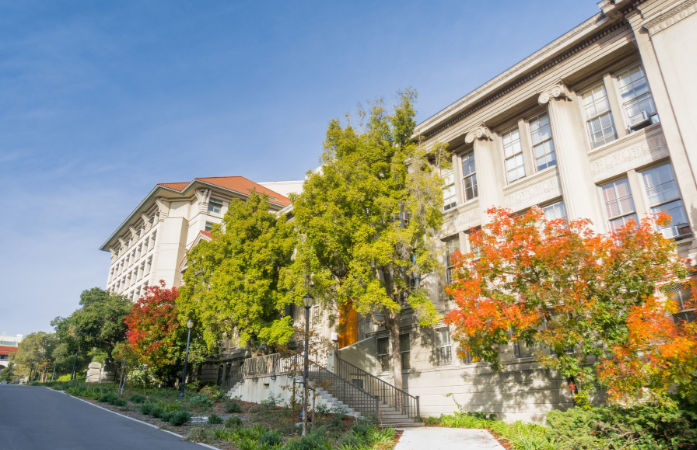
The University of California has achieved a historic milestone, with its faculty and alumni winning five Nobel Prizes within just three days, setting a new world record.
In a statement, the university announced that these latest honors bring its total Nobel tally to 75, marking the first time in Nobel history that four faculty members from the same institution have won the award in a single year.
On Monday (October, 6), UC San Diego and UCLA alumnus Frederick J Ramsdell, along with collaborators in Seattle and Japan, won the Nobel Prize in Medicine for discovering immune system cells that prevent the body from attacking its own tissues.
A day later (October, 7), UC Berkeley emeritus professor John Clarke, UC Santa Barbara emeritus professor John Martinis, and UC Santa Barbara professor Michel Devoret were awarded the Nobel Prize in Physics for pioneering experiments foundational to modern quantum computing.
On Wednesday (October, 8), UC Berkeley professor Omar Yaghi received the Nobel Prize in Chemistry, sharing the honor with researchers from Australia and Japan for developing a new class of molecular frameworks capable of removing atmospheric pollutants and harvesting water from arid air.
“These awards are tangible evidence of the transformative research happening across the University of California every day,” said UC President James B Milliken, adding that he was proud to see their contributions recognised globally.
The university noted that each of these breakthroughs benefited from federal research funding, including support from the National Institutes of Health (NIH), National Science Foundation (NSF), Department of Energy (DOE), and Department of Defense (DOD).
For more than a century, the United States’ investment in scientific research has made it a world leader in innovation, drawing brilliant minds from across the globe – a legacy reflected in UC’s record-setting achievement this year.
