




Saudi Arabia ends decades-old Kafala system, granting migrant workers more freedom
Updated: Oct 22nd, 2025


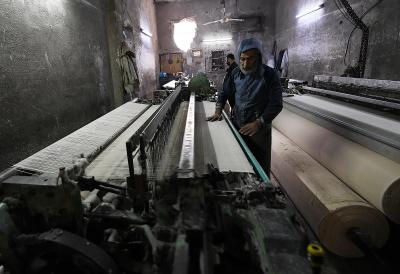 |
| Representative image |
Saudi Arabia has officially abolished its decades-old Kafala labour system, a move aimed at giving migrant workers greater rights and protections.
The system, in place since the 1950s, had long been criticised for giving employers almost total control over workers’ lives, including decisions on job changes, travel, and legal matters. Workers, particularly female domestic staff, were often subject to withheld wages, restricted movement, and unsafe working conditions.
Under the reform, part of Crown Prince Mohammed bin Salman’s Vision 2030 agenda, around 13 million migrant workers will now be able to change jobs without employer permission, leave the country freely, and access labour courts directly.
The changes are intended to align Saudi Arabia’s labour laws with international standards while also making the kingdom a more attractive destination for foreign talent.
Human rights advocates have welcomed the move as a long-overdue step toward ending systemic abuse, although they note that effective enforcement will be key to ensuring real change on the ground. Officials say the reform balances worker rights with business needs, aiming to modernize the labour market and improve the kingdom’s global image.
This historic shift marks one of the most significant labour reforms in Saudi Arabia in decades, giving migrant workers unprecedented autonomy and legal protections.
