





Rare H5N5 bird flu case raises vigilance in United States
Updated: Dec 18th, 2025


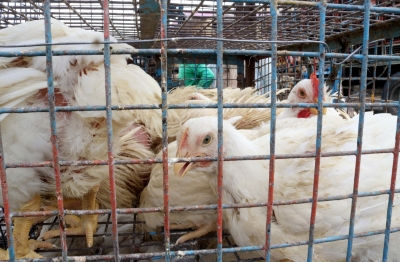
A human case of H5N5 virus was registered in Washington, US, raising alarms to health authorities across the country.
According to the World Health Organization (WHO), the case marks the 71 confirmed human infection with influenza A(H5) in the United States since early 2024 and the first reported since February 2025.
The WHO was notified of the case on 15 November 2025, and laboratory sequencing conducted by the Centers for Disease Control and Prevention confirmed on 20 November that the virus was influenza A(H5N5), a type not previously detected in humans anywhere in the world.
The patient, an adult resident of Washington State, had underlying medical conditions and a history of exposure to backyard poultry and domestic birds, health officials said. Symptoms including fever began in late October. The individual was hospitalized in early November with severe illness and died on 21 November 2025.
Samples collected at the healthcare facility tested positive for influenza A through RT-PCR testing. Further confirmation and genetic sequencing were carried out by state laboratories and the CDC, identifying the virus as part of the H5 haemagglutinin clade 2.3.4.4b, a lineage known to circulate among birds and some wild mammals in North America since at least 2023.
Public health investigations, including contact tracing and active monitoring, have so far identified no additional human cases. Authorities have found no evidence of human-to-human transmission, reinforcing assessments that the virus currently spreads from animals to humans through direct contact or contaminated environments.
The CDC and state health departments have intensified surveillance efforts. Since March 2024, more than 30,000 people exposed to infected animals in the U.S. have been monitored, with over 1,200 tested. Officials continue to recommend avoiding unprotected contact with sick or dead birds and using personal protective equipment for individuals with occupational exposure.
The WHO emphasized that while sporadic human infections with avian influenza viruses are expected, sustained human transmission has never been documented. Based on available data, the organization currently assesses the overall public health risk as low, though the risk is considered low to moderate for poultry workers and others with frequent animal exposure.
The WHO said the situation does not warrant travel or trade restrictions and reiterated the importance of global surveillance as influenza viruses continue to evolve at the human animal interface.
What is H5N5?
H5N5 is a subtype of avian influenza (bird flu) virus that mainly infects birds, especially poultry and wild birds. It belongs to Influenza A viruses, which are known for causing flu outbreaks in animals and, in rare cases, humans.
Health authorities in the United States have confirmed the first-ever human infection globally with Avian Influenza A(H5N5), a rare subtype of bird flu, prompting renewed vigilance among public health agencies while stressing that the overall risk to the general population remains low.