




Nepal’s new rule for Everest climbers: only those who climbed 7,000-metre peaks will be allowed
Updated: Apr 30th, 2025


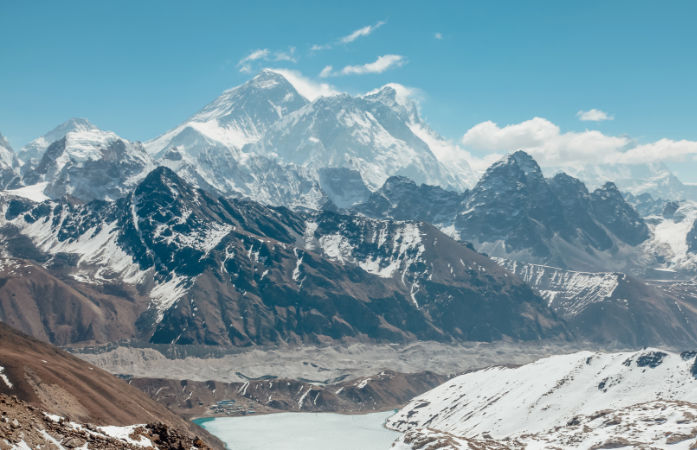
Nepal is set to introduce a change to its mountaineering regulations, with new conditions that would restrict Mount Everest climbing permits only to those who have previously summited a 7,000-metre peak within the country, according to reports.
The rule is part of a broader proposal under Nepal’s Integrated Tourism Bill, which has been tabled in the upper house of Parliament. The bill, which enjoys backing from the ruling coalition, is widely expected to be passed in the coming weeks, as per reports.
The move comes amid growing concern over overcrowding and safety risks on the world’s highest peak. Nepal, which hosts eight of the 14 tallest mountains on Earth, has long faced criticism for issuing climbing permits to poorly prepared climbers.
In 2023 alone, the government issued a record 478 Everest permits. That season, at least 12 climbers died and five went missing – many in the treacherous ‘death zone’ near the summit, where oxygen levels drop drastically and long queues can form.
Key points of the proposed regulation
Climbers must prove prior experience by submitting evidence of having scaled a mountain above 7,000 metres within Nepal.
All mountain guides and team leaders must be Nepali nationals.
Medical certificates will be mandatory and must be issued within a month of the expedition by a government-approved hospital.
Climbers will also need to declare any record attempts in advance.
Permits will become non-transferable. If an expedition is cancelled due to natural disasters or unforeseen events, the permit will remain valid for up to two years but will not be refunded.
Permit fees are set to increase by 36%, rising from £8,249 (approximately ₹9.4 lakh) to £11,248 (over ₹12.8 lakh) – the first such hike in nearly a decade.
With the 2025 climbing season already underway, Nepal has reportedly issued over 400 Everest permits, with the number likely to surpass 500 in May.
Climbing expeditions are a major source of foreign revenue for Nepal. Besides the permit fees, mountaineers spend thousands of dollars on logistics, gear, Sherpa support, and other services. However, the surge in traffic has reportedly worsened environmental damage on the slopes, including rising amounts of garbage and human waste.
