




Multiple strikes hit Iran’s key oil hub Kharg Island as Trump’s deadline nears
Updated: Apr 7th, 2026


 |
| Representative image |
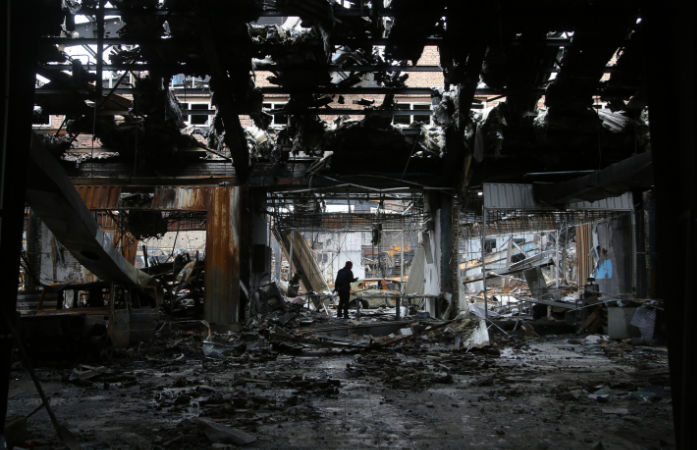
Kharg Island, a critical pillar of Iran’s energy infrastructure, was targeted in multiple strikes on Tuesday, marking a significant escalation in the ongoing conflict.
Located in the Persian Gulf, the island lies strategically across from US military bases in Kuwait and Saudi Arabia, making it a sensitive geopolitical flashpoint.
Kharg Island plays a central role in Iran’s economy, with nearly 90% of the country’s crude oil exports passing through its terminals, making it one of the most vital energy hubs in the region.
Any disruption to operations on the island is likely to have far-reaching implications, not just for Iran’s economy but also for global oil markets, as tensions in the region continue to intensify.
The attacks follow US President Donald Trump’s 48-hour deadline for a new round of strikes on Iran if no agreement is reached.
According to reports, the strikes are expected to begin at 20:00 Washington DC time on Tuesday, corresponding to 00:00 GMT on Wednesday, and could continue for several hours.
The planned operation is said to target key infrastructure across the country, including bridges and power plants, with warnings of widespread destruction.
Trump has also reportedly indicated that very few targets would be excluded from the operation, underscoring the scale of the potential assault.
The reports suggest that Iran has been given a narrow window to avert the strikes by agreeing to terms set by the US, including ensuring uninterrupted oil movement through the Strait of Hormuz.
Earlier in the day, Iran rejected a US-proposed 15-point peace plan, calling instead for a permanent end to the conflict, the official news agency IRNA reported.
Tehran delivered its response in a 10-point document, citing past experiences as the reason it would not accept a ceasefire, Xinhua news agency reported.
The response outlined Iran’s demands, including ending regional conflicts, establishing safe passage through the Strait of Hormuz, reconstructing war-affected areas, and lifting international sanctions.
The IRNA claimed the text was presented following recent developments in Iran’s western and central regions and the unsuccessful outcome of a US heliborne operation, with Trump extending a previously set deadline again and adjusting earlier threats.
In a press conference on Monday, Trump called Iran’s 10-point response a “significant step” but said it was “not good enough”.
Also on Monday, Iran’s Foreign Ministry spokesperson Esmaeil Baghaei said a ceasefire would only give opponents time to regroup and commit further crimes, and “no sane” person would accept it.
In late March, US media reported that Washington sent a 15-point plan to Iran through Pakistan to try to end the war. Iran later rejected the plan, calling it “excessive and disconnected from the realities on the battlefield”.
The Islamic Republic set several preconditions for peace. These include ending US and Israeli aggression, creating mechanisms to prevent future attacks, compensating for war damage, stopping fighting across all fronts in West Asia, and recognising Iran’s sovereignty over the Strait of Hormuz.
On February 28, Israel and the United States launched joint attacks on Tehran and other Iranian cities, killing Supreme Leader Ali Khamenei, senior military commanders, and civilians. Iran retaliated with missile and drone strikes targeting Israeli and US assets in the Middle East.
(with inputs from syndicated feed)
