




Iran rules out Trump-Khamenei meeting, calls for $24 billion asset release
Updated: Jun 7th, 2026


Iran has dismissed the possibility of a meeting between US President Donald Trump and the country's Supreme Leader, with senior military adviser Mohsen Rezaei stating that Washington has failed to take sufficient steps to rebuild trust and revive stalled negotiations, as per reports.
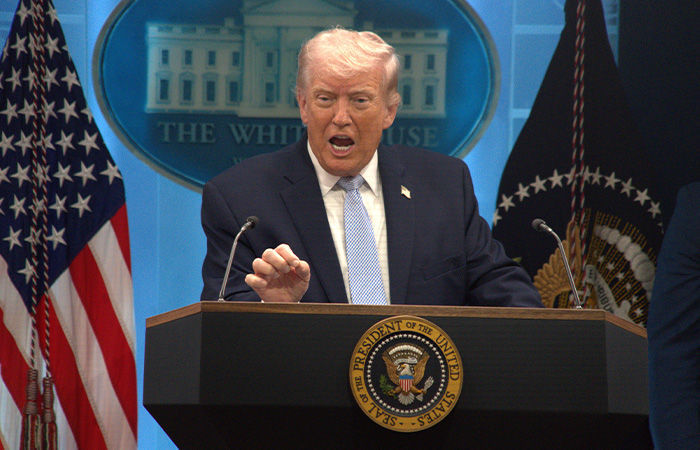
Rezaei's remarks came in response to Trump's comments at the White House on June 3, where the US President said he would be "honored" to meet Iran's Supreme Leader if given the opportunity, despite acknowledging that he may not be the Iranian leader's "favorite person."
Rezaei reportedly accused Trump of pushing talks to a dead end and outlined two key conditions that Tehran believes are necessary to restart meaningful negotiations. He said Iran wants the United States to immediately release $24 billion in frozen Iranian assets, describing the move as a critical test of Washington's willingness to reach an agreement.
Rezaei also called for the lifting of what he described as a US naval blockade in the Strait of Hormuz, saying such a step would demonstrate goodwill and help restore confidence between the two countries.
Issuing a strong warning, the Iranian adviser said Tehran is prepared for a prolonged confrontation if no deal is reached. He claimed Iran could expand the scope of the conflict beyond the Persian Gulf and target US military bases across the region.
"If the war continues and the blockade is not lifted, we will take the conflict to the Indian Ocean, Bab al-Mandeb, the Red Sea and the Mediterranean," Rezaei said, adding that Iran could target additional US military installations in those areas.
Rezaei urged Trump to prioritise the interests of the American people and make decisions independent of Israel's influence. He argued that releasing Iran's frozen assets and ending restrictions would help open a new chapter in US-Iran relations.
The latest exchange underscores the deep tensions between Tehran and Washington, with prospects for direct engagement appearing increasingly remote amid escalating rhetoric and unresolved disputes.
