




Iran hits US’ ‘sky in the eye’ radar in Qatar, raises fresh concerns over missile defence shield
Updated: Mar 4th, 2026


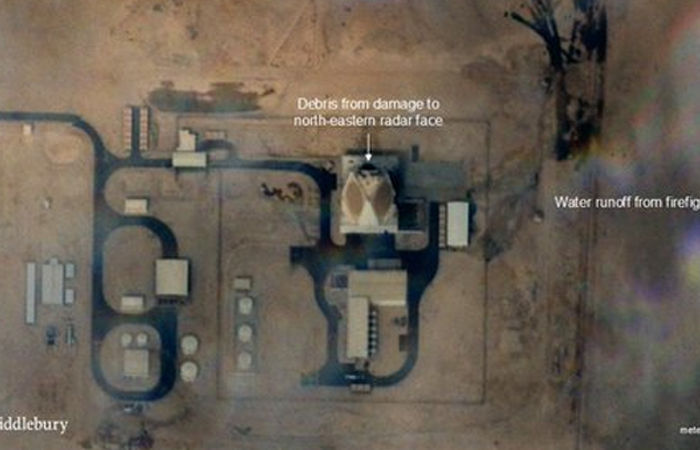
Iran has claimed to have struck one of the United States’ most critical missile early-warning assets in the Middle East, marking a sharp escalation in the ongoing regional conflict.
According to Iranian sources, the attack targeted the highly advanced AN/FPS-132 ballistic missile early-warning radar system stationed in Qatar, often described as America’s “eye in the sky” due to its strategic surveillance role.
Satellite imagery circulating online has reportedly confirmed damage to the radar installation, which is located near the Al Udeid Air Base in Qatar and operated by the US Space Force. The system, estimated to be worth around USD 1.1 billion (approximately Rs 9,000 crore), forms a key part of the US global missile warning network and is capable of detecting missile launches from thousands of kilometres away.
Iranian officials said the strike was carried out as part of a retaliatory action against recent attacks on Iranian targets. The radar site in Qatar is considered the largest and most strategically significant US early-warning installation in the region, providing critical real-time data to the US and its regional allies, including Saudi Arabia and the UAE.
What has drawn particular attention is Iran’s claim that the radar was hit using a low-cost Shahed drone. The development has fuelled debate among defence analysts, as it suggests that relatively inexpensive unmanned systems may be capable of neutralising high-value, sophisticated defence infrastructure, exposing potential vulnerabilities in modern missile defence architecture.
The AN/FPS-132 radar is designed to track ballistic missiles at ranges of up to 5,000 km, offering early warning against potential threats from across the region. Any prolonged disruption to its operation could significantly impact missile detection and response capabilities for the US and its allies in West Asia.
Iran’s Islamic Revolutionary Guard Corps (IRGC) described the strike as part of “Operation True Promise 4”, terming it a response to what it called aggression by the US and Israel. Qatar’s defence authorities have acknowledged that an attack took place, stating that eight people were injured and that the radar site sustained damage.
While independent verification of the full extent of the damage remains ongoing, the incident has intensified concerns over the widening scope of the conflict and the growing role of drone warfare in reshaping modern military engagements.
