




‘Internal matter’: China warns India over Dalai Lama reincarnation issue
Updated: May 25th, 2026


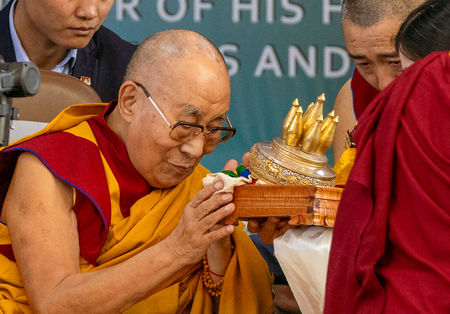 China on Sunday warned India over the reincarnation process of the Dalai Lama, calling it an internal matter of China. The statement was made by Yu Jing, the spokesperson of the Chinese Embassy in India, through a post on social media platform X.
Jing said that the reincarnation process of the Dalai Lama follows religious rituals and historical traditions that require approval from China’s central government.
The post claimed that the current 14th Dalai Lama was also recognised through this established system. China stated that the issue should not face any outside interference and added that only China has the authority to approve the next Dalai Lama.
It rejected the role of the ‘so-called Central Tibetan Administration’ and said it has no legal authority to decide on the reincarnation process. China also asked India not to provide any platform to activities supporting Tibetan independence. Chinese officials said that such actions could affect the stability and development of India-China relations.
The statement came after the Dalai Lama recently said that the ‘Gaden Phodrang Trust’ has the sole authority to recognise his future reincarnation and that no one else can interfere in the matter. India’s Minority Affairs Minister Kiren Rijiju reportedly responded earlier by saying that followers of the Dalai Lama believe the reincarnation process should happen according to traditional practices and the Dalai Lama’s wishes.
China considers the Dalai Lama a separatist figure and has said that any future reincarnation must receive Beijing’s approval. China reminded India about past commitments related to Tibet and expressed hope that New Delhi would continue following those commitments in the future. Chinese officials said that avoiding interference in Tibet-related matters would help maintain positive bilateral relations between both countries.
The issue remains sensitive in India-China relations because the Dalai Lama has been living in Dharamshala since 1959 after leaving Tibet. The Tibetan government-in-exile, officially known as the Central Tibetan Administration, also operates from India, which has remained a major concern for Beijing for many years. Beijing said that all important religious succession processes in Tibet must follow procedures approved by the Chinese government.
