Cornell7: Here's Why New York Prosecutors Have Reopened 2024 Sexual Assault Investigation

Summarized by AI; it may make mistakes. Check important info
Summarized by AI; it may make mistakes. Check important info

Prosecutors in New York have reopened a criminal investigation into the alleged rape of a Cornell University student in 2024, following a civil lawsuit in which the woman accused seven men linked to the university's Chi Phi fraternity chapter of allegedly raping her.
The woman, identified as Jane Doe in court filings, was 20 and a Cornell undergraduate at the time of the alleged incident. She filed a 101-page civil lawsuit against Cornell University, the fraternity, sorority and the men involved on September 16.
The lawsuit alleges that she was drugged with ketamine and sexually assaulted for hours at the Chi Phi fraternity house in Ithaca on the night of October 19, 2024. She also alleges that Cornell failed to adequately protect her or punish those responsible.
Cornell has rejected the claim that it failed to take disciplinary action and has agreed to an independent investigation into the handling of the case.
What Does The Lawsuit Allege?
According to the lawsuit, Jane Doe had been drinking with sorority sisters on October 19, 2024, before leaving them and going alone to the Chi Phi house to meet a male friend.
She alleges that she was intoxicated and incapable of giving consent during the events that followed.
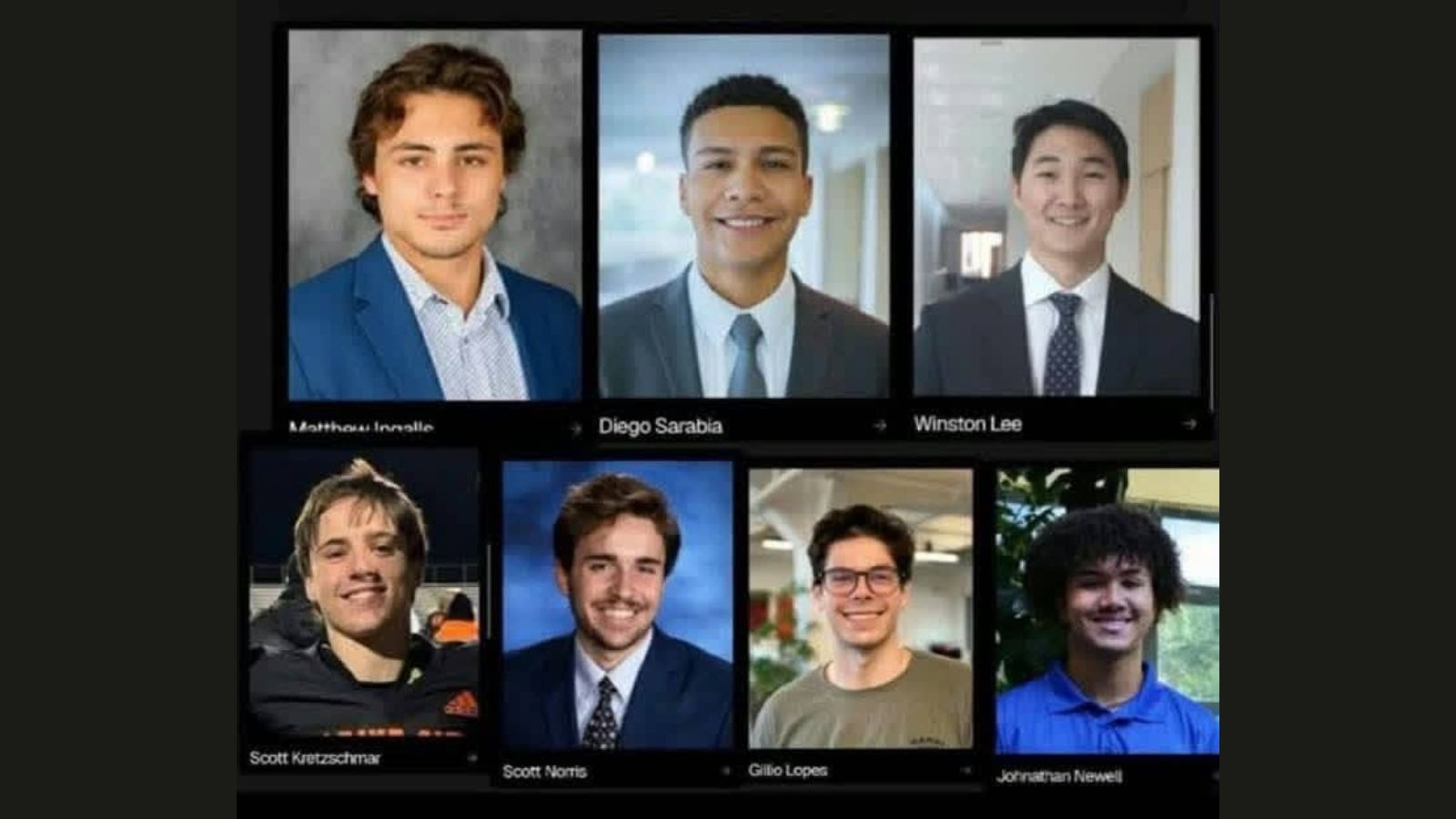
The lawsuit accuses seven men of sexual assault and battery and includes claims of negligence, breach of contract and violations of New York's Human Rights Law.
It also contains an image purportedly taken from a fraternity group chat. According to the lawsuit, a participant used vulgar language to alert other fraternity members to the possibility of a sexual encounter with Doe.
Doe reported the incident to Cornell University Police on November 8, 2024.
Her lawyer has said she was traumatised after the alleged assault and eventually left the university.
What Did The Fraternity Messages Say?
Cornell University Police provided prosecutors with an image from a Snapchat group called "Chi Phi Actives" in November 2024, according to the university.
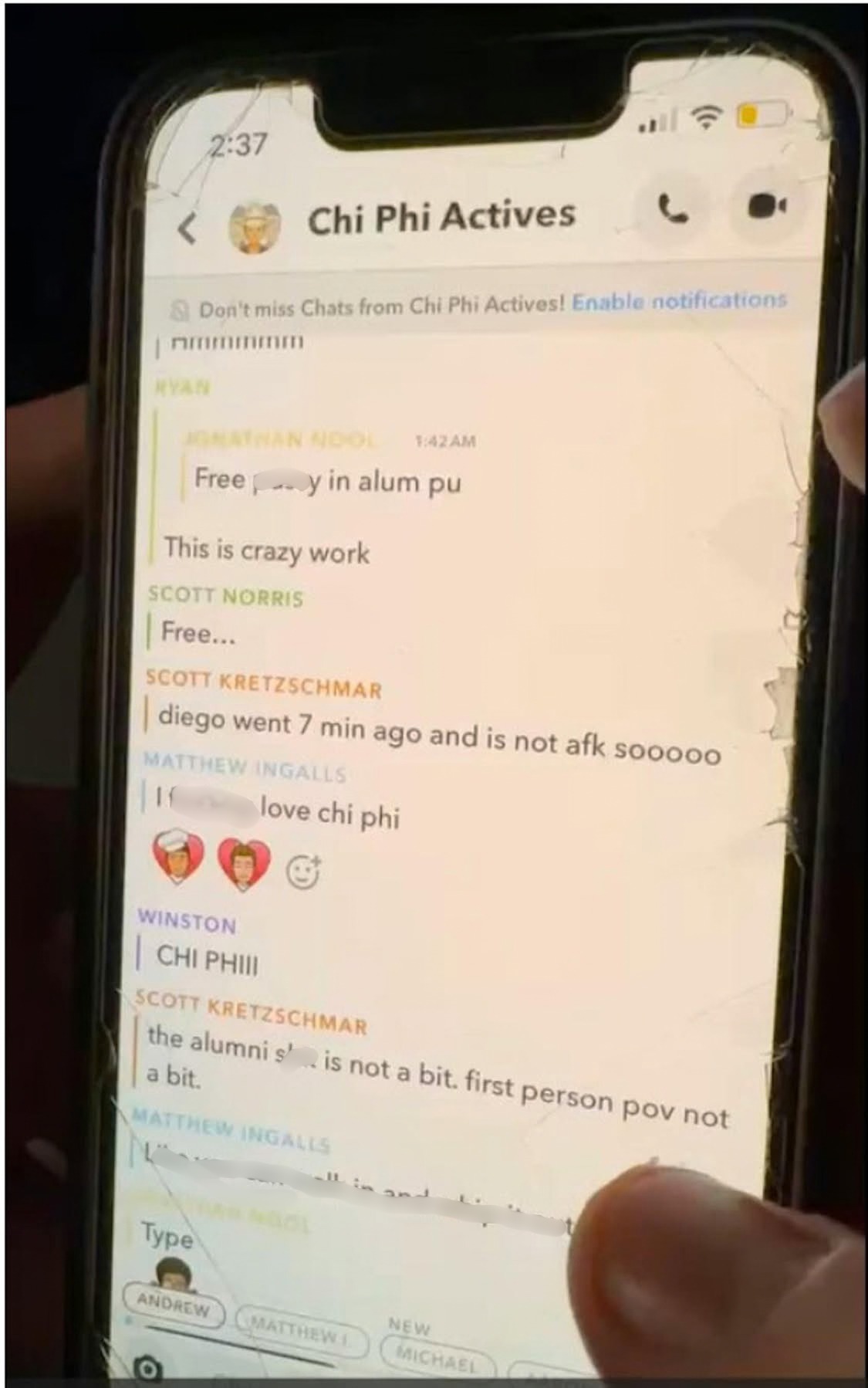
The group members are named in the chat and appear to discuss a sexual encounter involving Doe shortly before 2am on October 20, 2024.
CBS News New York has also reported on text messages allegedly exchanged between one of the defendants and a woman who appears to be Doe two days after the incident.
In one exchange, the man appeared to apologise for how events had unfolded. He said his memory was unclear and that he and another man regretted being too intoxicated to stop what was happening and remove people from the house.
The woman responded that her memory was also "super clouded" and said everyone had been intoxicated.
She wrote that none of the sexual activity was illegal and said she enjoyed being with him and another man. She later suggested smoking together again, but without the other men and ketamine.
The messages have become part of the wider debate surrounding the case, particularly after prosecutors said Doe's initial statement to police differed in significant respects from the allegations later made in the civil lawsuit.
What Action Did Cornell Take?
Cornell said it launched an investigation after Doe reported the incident and suspended the local Chi Phi chapter as well as a number of students.
The university also opened an internal investigation and a Title IX civil rights inquiry. Title IX is a US federal law prohibiting sex discrimination in education programmes receiving federal funding.
Following the filing of the lawsuit, Cornell disputed Doe's allegation that it failed to investigate or punish those involved.
The university said the case was referred to a panel of trained faculty and staff, which imposed a range of sanctions, including expulsions and suspensions.
Cornell did not deny that writing an essay formed part of disciplinary proceedings involving some students. However, it said none of the individuals charged were offered an essay as the sole consequence of their involvement.
The university has also said temporary suspensions and other restrictive measures were imposed when the allegations were reported.
"The events that took place on our campus in 2024 were appalling then and remain so now," Cornell said, adding that it was working to ensure sexual misconduct was not tolerated.
The Xi Chapter of Chi Phi was closed in 2024 and remains barred from campus.
What Has Chi Phi Said?
Chi Phi was named as a defendant in Doe's civil lawsuit.
Trey Robb, interim executive director of the fraternity, said the organisation had expelled the accused members of Cornell's chapter.
According to Robb, the chapter voted unanimously to remove the accused members from its rolls three days after Doe filed her police report. The chapter then recommended permanent expulsion by the national fraternity, which was subsequently approved by its Grand Council.
The fraternity said it would not comment further on matters before the courts or under investigation.
Why Has The Criminal Investigation Been Reopened?
Tompkins County District Attorney Matthew Van Houten announced on Monday that his office would reopen the criminal inquiry.
He said that, after reviewing the evidence available at the time of the alleged assault, prosecutors had concluded that Doe's statement to authorities did not meet the legal threshold required to bring criminal charges.
Van Houten has now contacted Doe and her lawyers as he considers additional information and prepares for the case to be presented to a grand jury.
A grand jury in the US considers evidence presented by prosecutors and determines whether there is sufficient basis for criminal charges.
Van Houten said Doe's sworn statement from November 2024 did not allege that she had been drugged against her will or gang raped. He said that, in that statement, she described her participation in drug use and sexual conduct as voluntary, conscious and consensual.
However, subsequent police interview records obtained by news organisations have provided additional details about what Doe said happened later that night.
What Did Jane Doe Tell Campus Police?
CBS News New York obtained a transcript of interviews with Cornell police that began on November 14, more than three weeks after the alleged incident.
In describing an initial sexual encounter, Doe reportedly told police: "I was pretty OK with all of this."
But she later said: "I can say with 100% confidence I was raped."
ABC News also obtained a November 15 police report in which Doe said that during a later encounter she felt unable to make decisions because she was heavily intoxicated.
"To me, that felt like coercion," she said, according to the report. She also said the men should have recognised how intoxicated she was from her slurred speech.
Van Houten has said he had not previously seen the transcript of the campus police interview.
He told The New York Times that he hoped to speak with Doe about new evidence that had emerged.
He also said he did not believe the allegations contained in the civil lawsuit, by themselves, currently met the legal threshold for criminal charges, while acknowledging the significance of Doe's belief that crimes had been committed and saying prosecutors wanted to establish what happened.
What Happens Next?
The reopened investigation will examine the available evidence before prosecutors determine whether criminal charges can be pursued.
Cornell has agreed to an independent outside investigation into its handling of the matter. New York Governor Kathy Hochul said she had spoken with Cornell's president, who agreed to allow the independent review.
The civil lawsuit filed by Doe remains separate from the criminal investigation. The allegations in the lawsuit have not been established as facts in court, and the reopening of the criminal inquiry does not itself mean that charges have been filed.
The case is now being examined on two fronts: the criminal investigation into the alleged assault and the civil claims concerning the conduct of the accused men, the fraternity and Cornell's handling of the allegations.