




World Sickle Cell Day: Gujarat screens over 17 lakh in last five years
Updated: Jun 18th, 2024


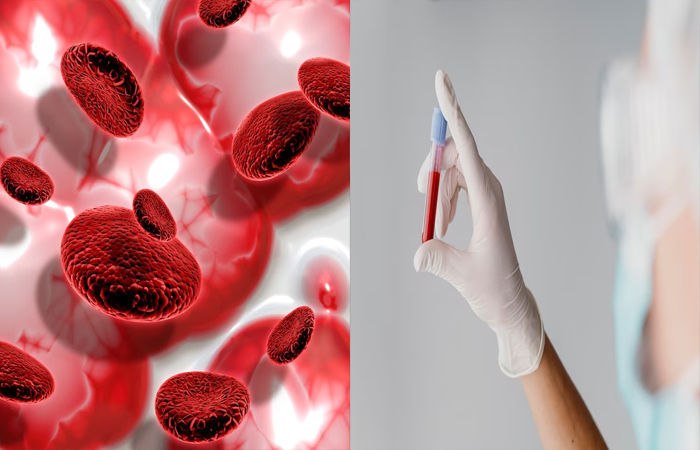
Every year, June 19 is marked as World Sickle Cell Day to raise global awareness about the disease. This year’s global theme for World Sickle Cell Day is “Hope Through Progress: Advancing Care Globally.”
Gujarat government has screened more than 1 crore people under its ‘Sickle Cell Anaemia Control’ programme launched in the year 2006.
In 2006, Gujarat became the first state in India to initiate the Sickle Cell Anaemia Control Programme. Over 17.6 lakh people were screened in the last five years.
In Gujarat, it is predominantly prevalent in the tribal regions spanning 14 districts: Aravalli, Banaskantha, Sabarkantha, Bharuch, Chhotaudepur, Dahod, Mahisagar, Panchmahal, Narmada, Surat, Tapi, Navsari, the Dangs, and Valsad.
The Government of India also recognised Gujarat’s Sickle Cell Anaemia Control programme in 2009-10.
Sickle Cell Anaemia is a hereditary blood disorder that predominantly affects the tribal communities in India.
What is sickle cell disease?
Sickle cell disease is a genetic blood disorder with abnormal red blood cells that take on a crescent or sickle shape and these irregularly shaped cells can cause blockages in blood vessels, leading to a variety of health complications, including fatigue, persistent fever, jaundice, joint and bone swelling, abdominal pain, heightened miscarriage risk in pregnant women, and increased susceptibility to infections, particularly lung diseases.
Precautions
To effectively manage the disease, regular medical check-ups are crucial. Patients are advised to maintain hydration by consuming 10-15 glasses of water daily, prioritise rest to minimise stress, abstain from alcohol, drugs, and smoking, avoid high altitudes and extreme cold, limit physical exertion, and reduce exposure to direct sunlight.
Also read:
